Patriot Heating and Cooling

We Proudly Service All HVAC Brands!

AC Systems

AC Systems, Air Conditioning, Heater Repair, HVAC Services, Montana, Patriot Heating & Cooling

Common Causes of Uneven Heating and Cooling

Common Causes of Uneven Heating and Cooling Uneven temperatures can make parts of your home uncomfortable, even when your HVAC system is running. Understanding the causes helps identify the right solution. Blocked or closed vents are a common issue. Furniture, rugs, or dust buildup can restrict airflow, preventing proper temperature distribution. Ductwork problems can also lead to uneven heating and cooling. Leaks or poor insulation cause conditioned air to escape before reaching certain rooms. Thermostat placement may affect temperature accuracy. If the thermostat is located in direct sunlight or near heat sources, it may cause the system to cycle incorrectly. Addressing airflow issues, duct problems, and thermostat placement helps restore consistent comfort throughout your home. Read Next: The Benefits of Upgrading to a Smart Thermostat

AC Systems, Montana, Patriot Heating & Cooling, Thermostat

The Benefits of Upgrading to a Smart Thermostat

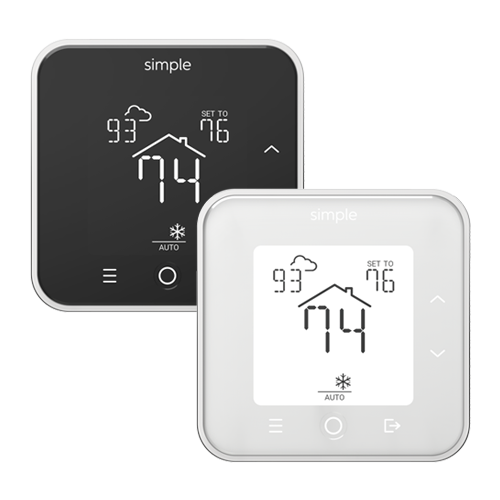
The Benefits of Upgrading to a Smart Thermostat Introduction Smart thermostats have become a popular upgrade for homeowners looking to improve comfort and efficiency. These devices offer more control and flexibility than traditional thermostats. One major benefit is energy savings. Smart thermostats learn your schedule and adjust temperatures automatically when you’re away, reducing unnecessary energy use. Improved comfort is another advantage. Many smart thermostats allow remote adjustments through mobile apps, making it easy to change settings from anywhere. Smart thermostats also provide system performance insights. Usage reports help homeowners understand energy habits and identify opportunities for improvement. Upgrading to a smart thermostat enhances HVAC efficiency, increases comfort, and offers long-term savings with minimal effort. Read Next: How Dirty Air Filters Affect Your HVAC System

AC Systems, HVAC Services, Montana, Patriot Heating & Cooling

How Dirty Air Filters Affect Your HVAC System

How Dirty Air Filters Affect Your HVAC System Air filters play a critical role in HVAC performance, yet they are often overlooked. Dirty filters can cause several problems that affect comfort, efficiency, and system lifespan. When filters become clogged, airflow is restricted. This forces your HVAC system to work harder, increasing energy consumption and wear on components. Dirty filters can also impact indoor air quality. Dust, pollen, and other contaminants circulate through your home, potentially aggravating allergies and respiratory issues. Restricted airflow may cause your system to overheat or freeze up, leading to costly repairs or even system failure. Replacing filters regularly prevents these issues. Checking filters monthly and replacing them as needed is a simple, affordable way to protect your HVAC system and maintain a healthier indoor environment. Read Next: Why Annual HVAC Maintenance Is Worth the Investment

AC Systems, Billings Montana, HVAC Services, Laurel Montana, Patriot Heating & Cooling

How to Choose the Right Thermostat for Your Home (Including Smart Thermostats)

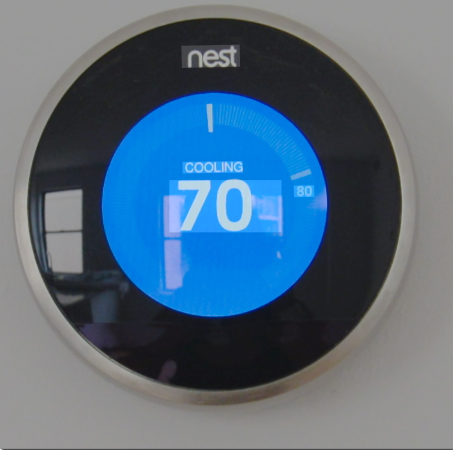
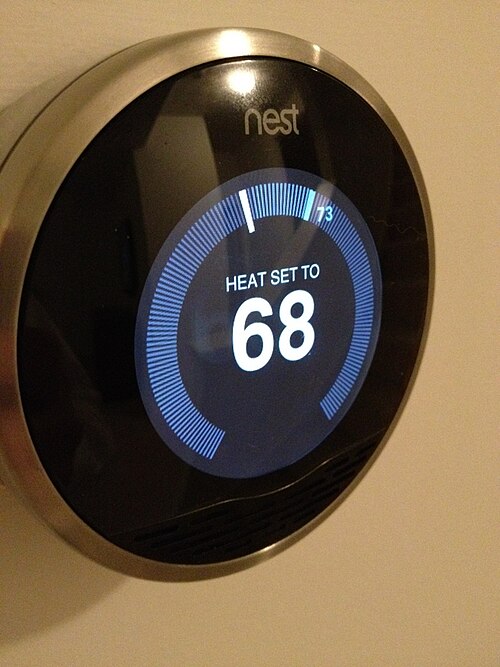
How to Choose the Right Thermostat for Your Home (Including Smart Thermostats) Your thermostat is the command center of your heating and cooling system. Choosing the right one can improve comfort, reduce energy costs, and make controlling your home temperature easier and more consistent. But with so many options—manual, programmable, and smart—it’s important to understand the differences before you decide. Manual Thermostats Manual thermostats are the most basic and budget-friendly option. You set the temperature yourself, and it stays there until you change it. They work, but they rely on you to remember to adjust them. If saving energy is a priority, they are not the most efficient choice. Programmable Thermostats Programmable thermostats let you schedule temperature changes throughout the day. You can set different temperatures for when you’re asleep, away, or at home. This automation saves energy and reduces wear on your HVAC system without you having to constantly adjust it. Smart Thermostats Smart thermostats go a step further. They connect to Wi-Fi and can be controlled from your phone, even when you’re not home. Many models “learn” your habits and adjust automatically over time. Some also provide energy usage reports, detect when you’re away, and integrate with voice assistants like Alexa or Google Home. Key Factors to Consider Before Choosing Think about compatibility with your current HVAC system, your Wi-Fi reliability, and whether you want the thermostat to integrate with a smart home system. Consider how hands-on or hands-off you prefer to be—if you don’t like adjusting dials, automation may be the better path. Why the Right Thermostat Matters The right thermostat can lower utility bills, improve comfort, and extend the life of your HVAC system by reducing unnecessary cycles. Smart and programmable options make those savings easier to achieve without constant attention. Final Thought If you want full control and convenience, a smart thermostat is the top choice. If you prefer something simple but still efficient, a programmable thermostat is a great middle ground. The right thermostat is the one that fits your lifestyle, your home, and your comfort goals. Read Next: Understanding HVAC Warranty & Maintenance Agreements: What’s Worth It?

AC Systems, Billings Montana, Columbus Montana, HVAC Companies, HVAC Services, Laurel Montana, Patriot Heating & Cooling

Winterizing Your Ductwork: Tips to Reduce Heat Loss

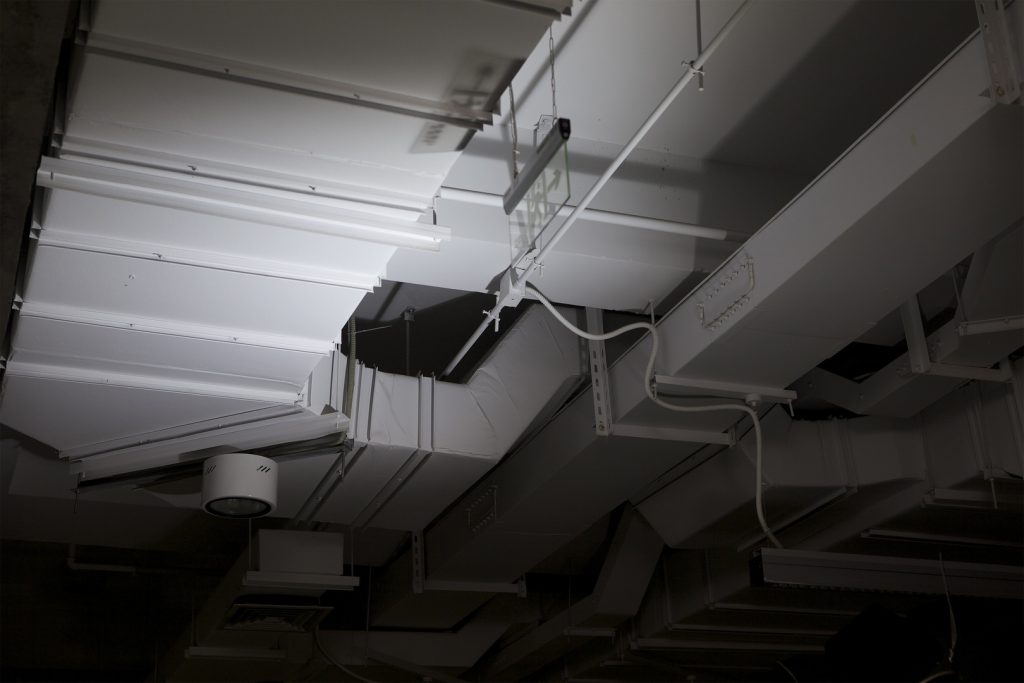
Winterizing Your Ductwork: Tips to Reduce Heat Loss When Montana temperatures drop, even a well-running heating system can waste energy if the ductwork is not properly sealed and insulated. Leaky or poorly protected ducts allow warm air to escape before it ever reaches the living space, forcing your furnace or heat pump to work harder and driving up energy bills. Winterizing your ductwork is one of the most effective ways to improve comfort and efficiency during the cold season. Why Ductwork Needs Attention in Winter As warm air travels through unconditioned areas like basements, crawl spaces, attics, and garages, heat naturally dissipates. Any gaps, seams, or cracks in the ductwork accelerate that loss. Over time this not only reduces comfort but also shortens the life of your heating system. Sealing to Stop Air Leaks Air sealing is the first step in winterizing. Special mastic sealant or metal foil tape is used to close gaps and joints so warm air stays inside the ducts. Traditional cloth “duct tape” is not suitable and will eventually fail in heating conditions. Insulating for Heat Retention Once leaks are sealed, ducts that run through unheated spaces should be wrapped with proper insulation. Insulation reduces thermal loss and prevents the system from losing heat to cold surrounding air. This is especially important in Montana homes with attics or crawl spaces exposed to freezing temperatures. Checking Duct Connections and Layout Loose or sagging ducts, crushed flex sections, or long, inefficient runs can all contribute to heat loss. Simple adjustments, reinforcing straps, or re-routing problem areas can improve airflow and reduce strain on the system. Professional Duct Inspection Pays Off While homeowners can spot obvious problems, a professional duct inspection can identify hidden leaks, pressure imbalances, and system inefficiencies that are not visible from the outside. Technicians have tools to measure air loss and ensure the entire system performs as intended. The Result: Better Comfort and Lower Bills When winterized properly, ductwork delivers more of the heat you are already paying for, reduces system runtime, improves indoor comfort, and protects your equipment from overworking. In a cold-climate state like Montana, duct efficiency is not just an upgrade — it is a necessity. Read Next: Heat Pump vs. Furnace in Montana: Which Is Best for Your Home?

AC Systems, Air Conditioning, Billings Montana, HVAC Services, Patriot Heating & Cooling

How to Prepare Your HVAC System for Montana’s Freeze–Thaw Cycles

How to Prepare Your HVAC System for Montana’s Freeze–Thaw Cycles Montana’s winters are known for dramatic temperature swings. Days of subzero cold can quickly give way to sunny afternoons above freezing—then back again. These freeze–thaw cycles put extra stress on your home’s heating and cooling system. A little preparation now can keep your HVAC equipment running smoothly all winter. 1. Schedule a Professional Inspection Have a licensed technician inspect your furnace, heat pump, and ductwork before winter hits. They’ll check for worn parts, leaks, and signs of corrosion caused by rapid temperature changes. 2. Replace or Clean Air Filters Dirty filters restrict airflow, forcing your system to work harder as it battles fluctuating temps. Swap them out every 30–60 days during heavy use. 3. Seal Air Leaks Drafts around windows, doors, and attic spaces allow warm air to escape and cold air to enter, making your system cycle on and off more often. Caulk gaps and add weatherstripping to cut energy loss. 4. Protect Outdoor Units Clear snow, ice, and debris from around your heat pump or AC condenser. Ensure at least two feet of clearance so melting snow can drain without refreezing and damaging components. 5. Test Your Thermostat Programmable or smart thermostats help manage sudden temperature swings. Set schedules that keep indoor temps consistent, reducing stress on equipment. 6. Check Drain Lines and Humidifiers Freeze–thaw cycles can cause condensation lines to freeze or back up. Make sure drain lines are clear and that any whole-home humidifier is operating correctly. Keep Your System Winter-Ready Proactive maintenance is the best way to avoid emergency repairs when temperatures drop. Patriot Heating & Cooling offers seasonal tune-ups and full HVAC service across Montana—so your home stays comfortable no matter how wild the weather gets. Read Next: How to Balance Temperature and Humidity for Maximum Comfort

AC Systems, Air Conditioning, Billings Montana, HVAC Services, Patriot Heating & Cooling

How to Balance Temperature and Humidity for Maximum Comfort

How to Balance Temperature and Humidity for Maximum Comfort When it comes to indoor comfort, most homeowners focus on temperature control—but humidity plays an equally important role. If your home feels too hot, too cold, or sticky even when the thermostat is set just right, your humidity levels might be to blame. At Patriot Heating & Cooling, we help Montana homeowners find the perfect balance between temperature and humidity for year-round comfort. Why Humidity Matters for Comfort Humidity affects how we perceive temperature. Here’s how: Too Much Humidity: Makes the air feel warmer and stickier, causing discomfort in summer Too Little Humidity: Causes dry skin, static electricity, and even damage to wood furniture during winter Ideal Indoor Humidity: 30%–50% is the sweet spot for comfort and health. How Temperature and Humidity Work Together Your HVAC system regulates temperature, but it also influences moisture in the air. When humidity is out of balance: In Summer: High humidity makes it feel hotter, forcing your AC to work harder In Winter: Low humidity makes the air feel cooler, leading you to crank up the heat unnecessarily Balancing both ensures your home feels comfortable without wasting energy. Tips for Maintaining the Perfect Balance ✅ 1. Use a Programmable Thermostat Smart thermostats can help maintain steady temperatures and integrate with humidity control systems. ✅ 2. Install a Whole-Home Humidifier or Dehumidifier Humidifier: Adds moisture during dry winter months Dehumidifier: Removes excess moisture during humid summer days ✅ 3. Keep Your HVAC System in Top Shape A well-maintained system ensures proper airflow and humidity control. Change filters regularly and schedule seasonal tune-ups. ✅ 4. Monitor Indoor Humidity Use a hygrometer to check your home’s humidity levels and adjust accordingly. The Benefits of Proper Balance Improved Comfort: No more sticky summers or dry winters Better Health: Reduces allergens, respiratory issues, and dry skin Energy Savings: Avoids unnecessary heating or cooling adjustments Patriot Heating & Cooling: Your Comfort Specialists At Patriot Heating & Cooling, we help Montana homeowners achieve perfect indoor comfort by balancing temperature and humidity. Whether you need humidity control solutions, HVAC maintenance, or system upgrades, we’ve got you covered. ✅ Whole-home humidifiers and dehumidifiers ✅ Smart thermostats for precise control ✅ Expert HVAC service for year-round comfort 📞 Call us today to schedule your indoor comfort consultation! Patriot Heating & Cooling – Montana’s HVAC Experts Read Next: The Best HVAC Maintenance Schedule for Montana Weather

AC Systems, Air Conditioning, Billings Montana, Columbus Montana, Laurel Montana, Patriot Heating & Cooling

How to Detect a Hidden Refrigerant Leak in Your AC

How to Detect a Hidden Refrigerant Leak in Your AC A refrigerant leak in your air conditioner isn’t just bad for comfort—it can cause higher energy bills, reduced cooling efficiency, and long-term damage to your system. At Patriot Heating & Cooling LLC, we want Montana homeowners to know the warning signs so you can catch leaks early before they become costly repairs. Why Refrigerant Leaks Are a Problem Refrigerant is the lifeblood of your AC. Without enough of it, your system can’t effectively absorb heat from your home. This leads to overworked components, reduced cooling power, and possible compressor failure. Common Signs of a Hidden Leak Warm Air from Vents If your AC is running but the air feels lukewarm, it could mean refrigerant levels are too low to properly cool your home. Hissing or Bubbling Sounds A faint hiss may indicate refrigerant escaping from a small hole, while bubbling sounds often point to leaks in the evaporator coil. Longer Cooling Cycles A unit that runs constantly without reaching the set temperature may be struggling due to low refrigerant. Frozen Evaporator Coil Ice buildup on the coil is a telltale sign of a refrigerant problem, as low levels cause temperatures in the coil to drop below freezing. Unexplained Energy Bill Spikes If your usage hasn’t changed but your bill has, an inefficient AC due to a leak could be the culprit. How Professionals Detect Leaks At Patriot Heating & Cooling LLC, we use advanced tools to pinpoint leaks without damaging your system: Electronic Leak Detectors to sense refrigerant gases in the air UV Dye Testing to make leaks visible under special light Pressure Testing to measure loss rates and confirm the source Why You Shouldn’t DIY Refrigerant Repairs Handling refrigerants requires EPA certification. Attempting to recharge or patch leaks yourself can be dangerous, cause further damage, and void warranties. The Patriot Advantage We don’t just refill refrigerant—we find and fix the root cause. Our repairs are designed to restore efficiency, protect your equipment, and keep your home cool through Montana’s hottest days. Final Thoughts A hidden refrigerant leak can slowly drain your AC’s performance and your wallet. If you notice any of these signs, contact Patriot Heating & Cooling LLC for a professional inspection before the problem escalates. Read Next: The Best HVAC Maintenance Schedule for Montana Weather

AC Systems, Air Conditioning, Billings Montana, Columbus Montana, Laurel Montana, Patriot Heating & Cooling

How to Reset Your Thermostat After a Power Outage

How to Reset Your Thermostat After a Power Outage Power outages can happen unexpectedly in Montana, leaving your home without heat or air conditioning. Once power is restored, your thermostat may need to be reset to get your HVAC system running properly again. At Patriot Heating & Cooling LLC, we guide homeowners through the simple steps to reset their thermostat and ensure comfort returns quickly. Step 1: Turn Off Your HVAC System Before resetting the thermostat, turn off the heating or cooling system to prevent any damage during the reset process. Most systems have a power switch near the unit or on the thermostat itself. Step 2: Remove Batteries (if applicable) For battery-powered or battery-backup thermostats, remove the batteries for about 30 seconds to clear any stored settings. This step ensures the thermostat starts fresh when power is restored. Step 3: Restore Power Turn the breaker back on or allow power to return to your home. Your thermostat should display power, but if it remains blank, check batteries and circuit connections. Step 4: Reset to Default or Programmed Settings Some thermostats have a reset button; others require navigating menus to restore factory defaults. After resetting, you can reprogram your preferred temperature schedules and settings. Step 5: Test Your HVAC System Turn your system back on and ensure it’s functioning correctly. Check that heating, cooling, and fan operations respond to thermostat commands. Listen for unusual noises and watch for proper airflow. Step 6: Consider Smart Thermostat Features If you have a smart thermostat, it may reconnect automatically to Wi-Fi after power restoration. Check the app to ensure settings and schedules are correct, and update firmware if needed. When to Call a Professional If your thermostat won’t reset, your HVAC system doesn’t respond, or you notice unusual behavior, it’s time to call Patriot Heating & Cooling LLC. Our technicians can diagnose and fix thermostat and system issues safely and efficiently. Final Thoughts Resetting your thermostat after a power outage is usually a simple task that restores comfort quickly. By following these steps, Montana homeowners can ensure their HVAC systems operate correctly and maintain a safe, comfortable indoor environment. Read Next: Signs Your AC Needs a Recharge

AC Systems, Air Conditioning, Billings Montana, Columbus Montana, Laurel Montana, Patriot Heating & Cooling

Signs Your AC Needs a Recharge

Signs Your AC Needs a Recharge Summer in Montana can bring unexpected heat waves, and a failing air conditioner can turn your home into an uncomfortable space fast. One common issue is low refrigerant levels, which can reduce cooling efficiency and strain your system. At Patriot Heating & Cooling LLC, we help homeowners identify the signs that their AC might need a recharge before it becomes a bigger problem. Common Signs Your AC Needs a Recharge Reduced Cooling Performance If your AC is running but the air isn’t as cold as it used to be, low refrigerant may be the culprit. Poor cooling often means your system has to work harder to maintain the desired temperature. Longer Cooling Cycles When refrigerant levels are low, the AC may run longer than usual to try to reach the set temperature. This increases wear and tear on components and raises energy bills. Ice Formation on Coils or Lines Low refrigerant can cause evaporator coils to freeze. You might notice ice forming on coils or refrigerant lines, which is a clear indicator that a recharge is needed. Hissing or Bubbling Noises Leaks in refrigerant lines can produce unusual sounds like hissing or bubbling. This is a sign that your system is losing refrigerant and needs attention immediately. Higher Energy Bills When your AC struggles to cool due to low refrigerant, it consumes more energy. A sudden spike in electricity costs may signal that your system is overworking. Why You Shouldn’t Ignore Low Refrigerant Operating an AC with low refrigerant not only reduces comfort but can also damage the compressor and other components, leading to costly repairs or replacement. Professional AC Recharge Recharging an AC involves handling refrigerant, which is regulated and requires professional equipment. At Patriot Heating & Cooling LLC, our trained technicians safely recharge your system, check for leaks, and ensure your AC runs efficiently all summer long. Final Thoughts Recognizing the signs of low refrigerant early can save you money, prevent major repairs, and keep your home comfortable during hot Montana summers. At Patriot Heating & Cooling LLC, we provide expert AC service, maintenance, and recharges to keep your system running at peak performance. Read Next: What to Do When Your Furnace Won’t Turn On

Scroll to Top