Patriot Heating and Cooling

We Proudly Service All HVAC Brands!

Laurel Montana

Billings Montana, HVAC Services, Laurel Montana, Montana, Patriot Heating & Cooling

How Your HVAC Ductwork Affects Home Comfort, Energy Efficiency, and Indoor Airflow

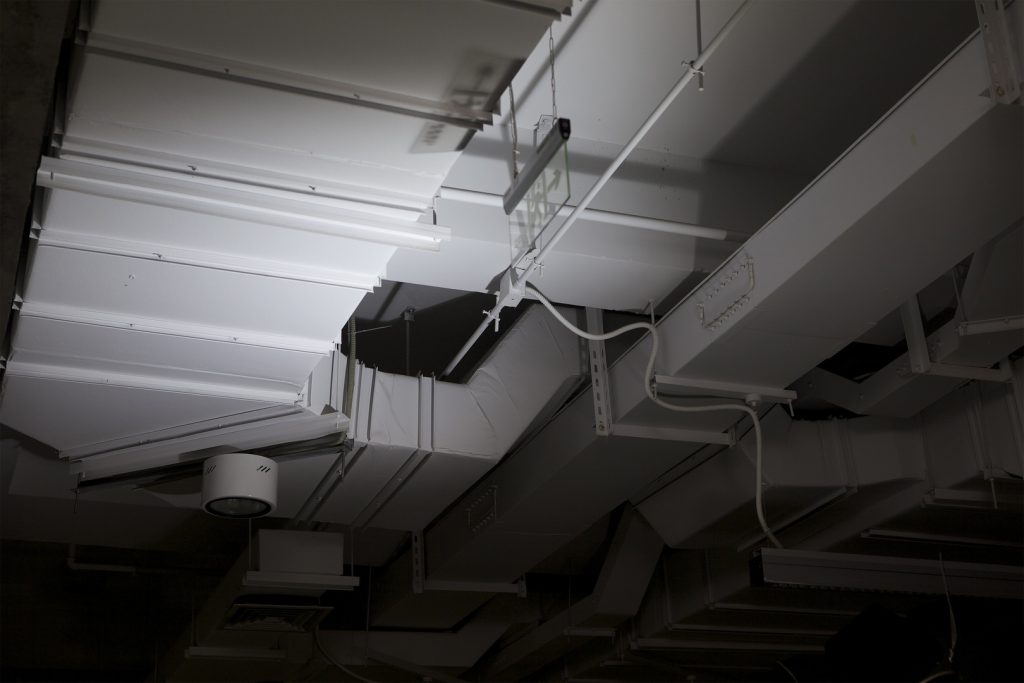
How Your HVAC Ductwork Affects Home Comfort, Energy Efficiency, and Indoor Airflow Your heating and cooling system can be in good working condition and still struggle to keep your home comfortable if the ductwork is not performing properly. Ducts are one of the most important parts of an HVAC system because they provide the pathway that moves conditioned air throughout your home. When ductwork is properly designed, sealed, insulated, and maintained, heated and cooled air can move efficiently from the HVAC equipment to the rooms where it is needed. When ducts are damaged, disconnected, poorly insulated, improperly sized, or restricted, the entire system can have a harder time maintaining consistent indoor temperatures. Many homeowners think about the furnace or air conditioner first when they have an HVAC problem. However, the ductwork deserves just as much attention. Problems with the distribution system can create uncomfortable rooms, weak airflow, higher energy use, excessive dust, and unnecessary strain on HVAC equipment. Understanding how ductwork works and recognizing common warning signs can help homeowners determine when their heating and cooling system may need professional attention. Your HVAC system has two basic sides to its airflow process. Supply ducts carry heated or cooled air from the equipment toward different areas of the home, while return ducts bring indoor air back to the HVAC system so it can be conditioned again. This continuous circulation is essential for maintaining indoor comfort. If the supply side is restricted or damaged, certain rooms may not receive enough conditioned air. If the return side has a problem, the system may have difficulty moving the appropriate amount of air through the home. One of the most common ductwork problems is leakage. Ducts can develop gaps, cracks, loose connections, or damaged sections over time. Air can escape through these openings before it reaches the rooms where it is needed. A small leak may not seem significant, but multiple leaks throughout a duct system can have a noticeable effect on overall HVAC performance. Duct leakage can be especially problematic when ducts run through unconditioned spaces such as attics, crawl spaces, garages, or other areas outside the home’s living space. Air lost in these locations does not contribute to indoor comfort. During the cooling season, for example, conditioned air traveling through a hot attic can be affected by the surrounding environment. During colder weather, heated air traveling through an unconditioned space can also lose some of its effectiveness before reaching the intended room. Insulation around ductwork can therefore be important, particularly when ducts are located outside the conditioned portion of the home. Another issue is disconnected ductwork. Connections between duct sections can loosen or separate due to age, movement, installation problems, or deterioration of materials. When a duct becomes disconnected, the amount of conditioned air reaching the intended area can decrease significantly. Depending on where the separation occurs, conditioned air may be released into an attic, crawl space, garage, or wall cavity instead. A homeowner may notice this problem as unusually weak airflow from one or more vents. However, weak airflow can have several possible causes, so professional diagnosis may be necessary to determine whether the ductwork is responsible. Poorly designed ductwork can also create long-term comfort problems. Duct systems need to distribute air appropriately throughout the home. If certain branches are too small, too long, poorly positioned, or otherwise inadequate for the amount of air they are expected to carry, some rooms may consistently receive less heating or cooling. This can become especially noticeable after a home has been remodeled or expanded. For example, adding a bedroom, converting a garage, finishing a basement, or expanding a living area can change the home’s heating and cooling requirements. If the ductwork was not properly modified when the space was added, the new or existing rooms may not receive adequate airflow. A larger HVAC unit does not automatically solve this type of problem. If the distribution system cannot move conditioned air effectively, installing more powerful equipment may fail to address the underlying issue. In some situations, the ductwork itself needs to be evaluated and improved. The location of ducts can also affect HVAC performance. Ducts running through areas with extreme temperatures are exposed to conditions that can make temperature control more difficult. Duct insulation can help reduce unwanted heat transfer, but insulation must be installed properly and remain in good condition. Damaged or deteriorated insulation may reduce its effectiveness. Homeowners may not always be able to see the condition of their entire duct system. Some ductwork is located behind walls, above ceilings, or in other inaccessible areas. That is one reason professional HVAC inspections can be valuable when persistent comfort problems cannot be explained by more obvious issues. Another common concern is restricted ductwork. Ducts can become restricted because of collapsed sections, installation problems, excessive bends, damaged flexible duct material, or other physical obstructions. Restrictions reduce the amount of air that can move through the affected section. If a room consistently receives weak airflow while other rooms seem normal, the duct serving that room may need to be inspected. A technician can evaluate airflow and determine whether the problem is related to the duct, the vent, the HVAC equipment, or another part of the system. The return-air side of the duct system is equally important. Your HVAC system needs sufficient return airflow to maintain proper circulation. If return vents are blocked by furniture or other objects, the system may have difficulty drawing air back into the equipment. This can affect overall airflow and may make the HVAC system work harder. Homeowners should make sure return vents remain unobstructed. Unlike supply vents, return vents are designed to pull air into the system, so covering them can interfere with normal operation. Another important factor is the condition of flexible ductwork. Flexible ducts can be useful in many HVAC installations, but they need to be installed correctly. Excessive bends, compression, sagging, or improper support can reduce the effective airflow path. A duct that is sharply compressed may not

Billings Montana, HVAC Companies, HVAC Services, Laurel Montana, Patriot Heating & Cooling

The Role of Proper Insulation & Sealing in HVAC Efficiency

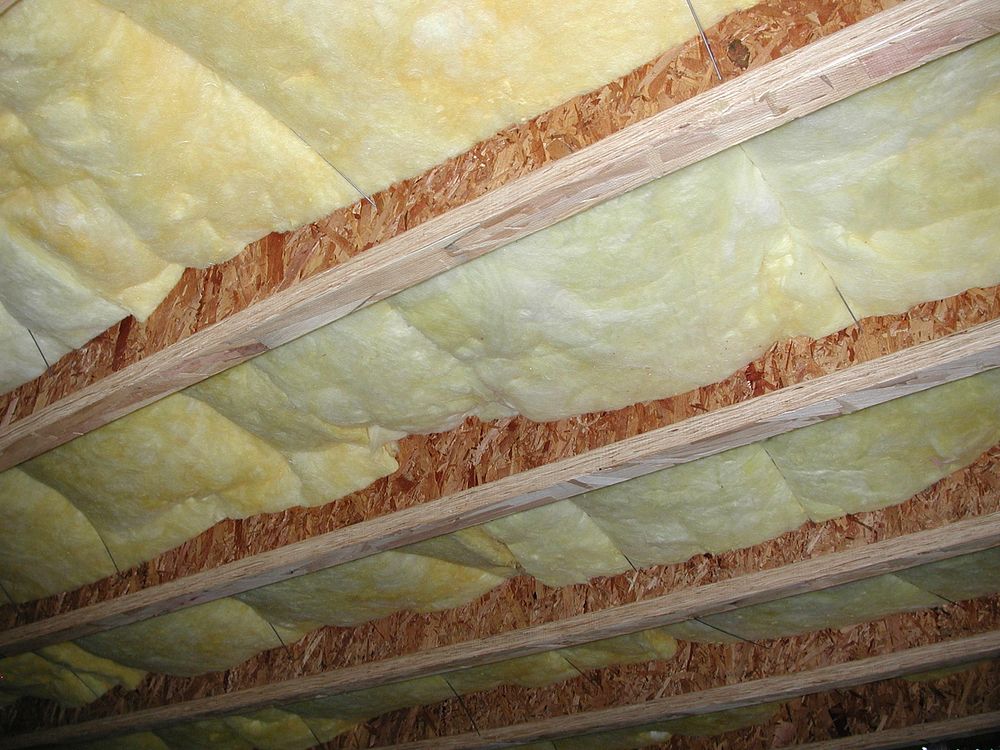
The Role of Proper Insulation & Sealing in HVAC Efficiency A well-designed HVAC system can only perform as efficiently as the home it serves. Even the most advanced furnace, heat pump, or air conditioner will struggle if warm or cool air escapes through unsealed ducts, gaps, or poorly insulated walls. Proper insulation and sealing are critical to maintaining comfort and controlling energy costs. Why Insulation Matters Insulation slows the transfer of heat between your home’s interior and the outside. In winter, it keeps warm air inside; in summer, it keeps cool air from escaping. Without adequate insulation, your HVAC system must work harder to maintain temperature, leading to higher energy bills and more wear and tear on equipment. Sealing Leaks Prevents Energy Loss Air leaks around doors, windows, ductwork, and vents can drastically reduce HVAC efficiency. Even small gaps allow conditioned air to escape and unconditioned air to enter. Properly sealing these leaks ensures that heated or cooled air reaches the intended rooms, improving comfort and reducing system runtime. Ductwork: A Common Culprit Ducts running through unconditioned spaces are often overlooked. Unsealed joints, holes, and loose connections can leak a significant portion of conditioned air before it reaches living spaces. Inspecting, sealing, and insulating ductwork is one of the most effective ways to boost efficiency and lower utility costs. The Combined Effect When insulation and sealing work together, the HVAC system doesn’t have to run as long or as frequently. This improves indoor comfort, extends the lifespan of equipment, and reduces energy bills. In climates with extreme temperatures, like in Arizona or Montana, these steps are essential. Professional Assessment Can Make a Difference While homeowners can add basic weatherstripping or insulation, a professional assessment ensures the entire system is optimized. Technicians can identify hidden leaks, recommend insulation upgrades, and make targeted improvements that provide long-term efficiency gains. Proper insulation and sealing aren’t just home upgrades — they are key to maximizing HVAC performance, protecting your investment, and keeping energy costs in check. Read Next: How to Choose the Right Thermostat for Your Home (Including Smart Thermostats)

AC Systems, Billings Montana, HVAC Services, Laurel Montana, Patriot Heating & Cooling

How to Choose the Right Thermostat for Your Home (Including Smart Thermostats)

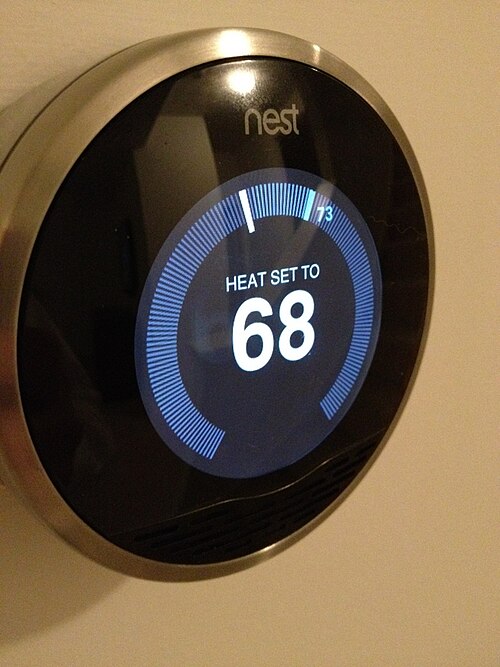
How to Choose the Right Thermostat for Your Home (Including Smart Thermostats) Your thermostat is the command center of your heating and cooling system. Choosing the right one can improve comfort, reduce energy costs, and make controlling your home temperature easier and more consistent. But with so many options—manual, programmable, and smart—it’s important to understand the differences before you decide. Manual Thermostats Manual thermostats are the most basic and budget-friendly option. You set the temperature yourself, and it stays there until you change it. They work, but they rely on you to remember to adjust them. If saving energy is a priority, they are not the most efficient choice. Programmable Thermostats Programmable thermostats let you schedule temperature changes throughout the day. You can set different temperatures for when you’re asleep, away, or at home. This automation saves energy and reduces wear on your HVAC system without you having to constantly adjust it. Smart Thermostats Smart thermostats go a step further. They connect to Wi-Fi and can be controlled from your phone, even when you’re not home. Many models “learn” your habits and adjust automatically over time. Some also provide energy usage reports, detect when you’re away, and integrate with voice assistants like Alexa or Google Home. Key Factors to Consider Before Choosing Think about compatibility with your current HVAC system, your Wi-Fi reliability, and whether you want the thermostat to integrate with a smart home system. Consider how hands-on or hands-off you prefer to be—if you don’t like adjusting dials, automation may be the better path. Why the Right Thermostat Matters The right thermostat can lower utility bills, improve comfort, and extend the life of your HVAC system by reducing unnecessary cycles. Smart and programmable options make those savings easier to achieve without constant attention. Final Thought If you want full control and convenience, a smart thermostat is the top choice. If you prefer something simple but still efficient, a programmable thermostat is a great middle ground. The right thermostat is the one that fits your lifestyle, your home, and your comfort goals. Read Next: Understanding HVAC Warranty & Maintenance Agreements: What’s Worth It?

Billings Montana, Columbus Montana, HVAC Companies, HVAC Services, Laurel Montana, Patriot Heating & Cooling

Understanding HVAC Warranty & Maintenance Agreements: What’s Worth It?

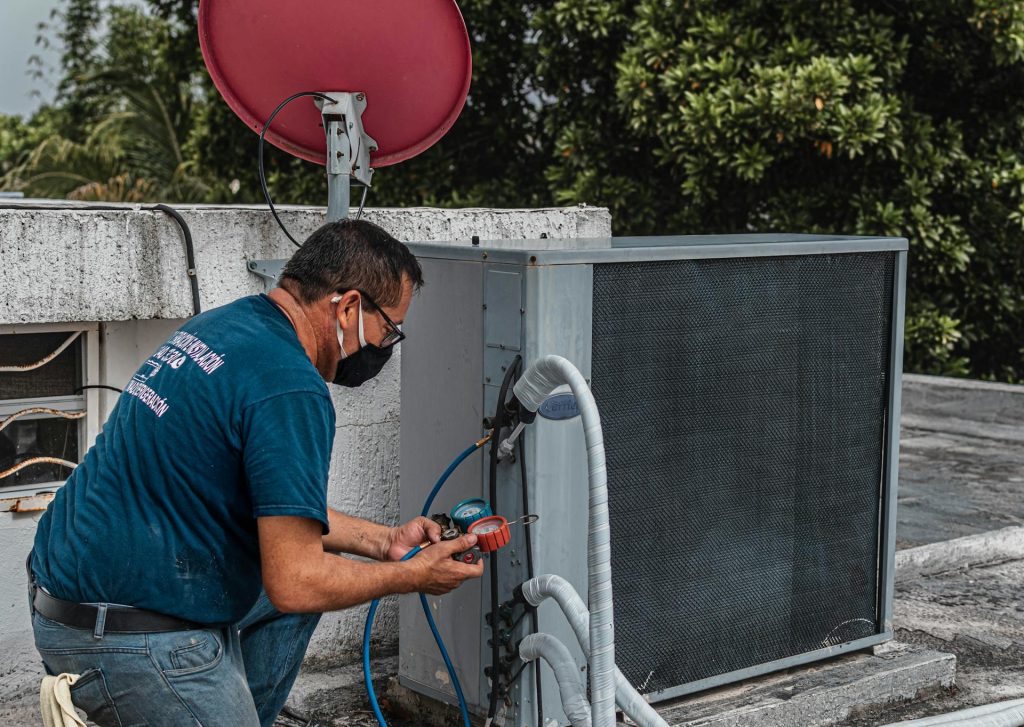
Understanding HVAC Warranty & Maintenance Agreements: What’s Worth It? When you invest in a new HVAC system, the warranty and any maintenance agreement can make a big difference in long-term costs and performance. But not all coverage is equal, and many homeowners are unsure what is actually worth paying for. What a Standard HVAC Warranty Usually Covers Most new systems include a manufacturer warranty that protects against defects in parts for a set number of years. Labor is often not included unless you purchased an extended plan or the contractor provides one. These warranties typically only stay valid if the system is properly maintained. Why Maintenance Agreements Matter A maintenance agreement is a service contract with a local HVAC company for regular professional tune-ups. Annual or seasonal maintenance helps keep warranties valid, improves efficiency, and prevents expensive breakdowns. In many cases, the cost of one major repair exceeds the cost of years of routine maintenance. What’s Usually Included in a Maintenance Agreement Most plans include scheduled inspections, cleaning, safety checks, and priority service. Some also include discounts on repairs or waived diagnostic fees. The main value comes from preventing problems and catching issues early. When Paying for Extra Coverage Is Worth It Extended warranties or service agreements are often worth it if the system is new, in a high-use climate, or installed in a home where performance is critical. They are also smart if you want predictable costs instead of surprise repair bills. What to Watch Out For Not all agreements are equal. Some are light on service or filled with exclusions. Before signing anything, confirm how often service is performed, what is included, whether parts and labor are covered, and what voids the warranty. The Bottom Line A warranty protects your equipment investment, and a maintenance agreement protects the warranty. Together, they reduce risk, extend equipment life, and save money over time—as long as you choose a plan with clear value and real service behind it. Read Next: Winterizing Your Ductwork: Tips to Reduce Heat Loss

AC Systems, Billings Montana, Columbus Montana, HVAC Companies, HVAC Services, Laurel Montana, Patriot Heating & Cooling

Winterizing Your Ductwork: Tips to Reduce Heat Loss

Winterizing Your Ductwork: Tips to Reduce Heat Loss When Montana temperatures drop, even a well-running heating system can waste energy if the ductwork is not properly sealed and insulated. Leaky or poorly protected ducts allow warm air to escape before it ever reaches the living space, forcing your furnace or heat pump to work harder and driving up energy bills. Winterizing your ductwork is one of the most effective ways to improve comfort and efficiency during the cold season. Why Ductwork Needs Attention in Winter As warm air travels through unconditioned areas like basements, crawl spaces, attics, and garages, heat naturally dissipates. Any gaps, seams, or cracks in the ductwork accelerate that loss. Over time this not only reduces comfort but also shortens the life of your heating system. Sealing to Stop Air Leaks Air sealing is the first step in winterizing. Special mastic sealant or metal foil tape is used to close gaps and joints so warm air stays inside the ducts. Traditional cloth “duct tape” is not suitable and will eventually fail in heating conditions. Insulating for Heat Retention Once leaks are sealed, ducts that run through unheated spaces should be wrapped with proper insulation. Insulation reduces thermal loss and prevents the system from losing heat to cold surrounding air. This is especially important in Montana homes with attics or crawl spaces exposed to freezing temperatures. Checking Duct Connections and Layout Loose or sagging ducts, crushed flex sections, or long, inefficient runs can all contribute to heat loss. Simple adjustments, reinforcing straps, or re-routing problem areas can improve airflow and reduce strain on the system. Professional Duct Inspection Pays Off While homeowners can spot obvious problems, a professional duct inspection can identify hidden leaks, pressure imbalances, and system inefficiencies that are not visible from the outside. Technicians have tools to measure air loss and ensure the entire system performs as intended. The Result: Better Comfort and Lower Bills When winterized properly, ductwork delivers more of the heat you are already paying for, reduces system runtime, improves indoor comfort, and protects your equipment from overworking. In a cold-climate state like Montana, duct efficiency is not just an upgrade — it is a necessity. Read Next: Heat Pump vs. Furnace in Montana: Which Is Best for Your Home?

Billings Montana, Furnace Repair, Furnace Replacement, Furnace Tune Up, Heater Repair, HVAC Services, Laurel Montana

Heat Pump vs. Furnace in Montana: Which Is Best for Your Home?

Heat Pump vs. Furnace in Montana: Which Is Best for Your Home? Montana winters are long, harsh, and unpredictable, which makes choosing the right heating system a major decision for homeowners. The two most common options are heat pumps and furnaces, and each performs very differently in Montana’s climate. At Patriot Heating & Cooling, we help homeowners understand the differences so they can choose the system that fits their house, comfort needs, and budget. Heat Pump vs. Furnace — What’s the Difference? A furnace creates heat by burning gas or using electric heating elements, then pushes that heat through ducts into the home. A heat pump does not create heat — instead, it pulls heat from the outside air and transfers it indoors. In the summer, the process reverses and the heat pump acts like an air conditioner. Why Furnaces Are Still the Most Reliable in Montana Because Montana winters often reach extreme sub-zero temperatures, furnaces remain the most dependable choice for many homes. They deliver strong, steady heat even in the coldest weather. Homeowners choose furnaces for their reliability and performance, especially in older homes or in regions that experience extended deep freezes. The downside is that they run on fuel, which can make operating costs higher depending on current gas or propane prices. When a Heat Pump Makes Sense in Montana Heat pumps are very efficient when temperatures are mild. They move heat instead of generating it, which means lower energy use under the right conditions. They also provide both heating and air conditioning in one system. However, in extreme cold a standard heat pump can lose efficiency and sometimes needs backup heat to keep up. Modern “cold-climate” heat pumps are improving, but climate still matters. Dual-Fuel Systems: A Smart Blend of Both Many Montana homeowners are now choosing dual-fuel systems. With this approach, a heat pump handles heating during mild weather and a furnace takes over when temperatures drop too low. The result is energy efficiency when possible and furnace reliability when it is needed most. Which Option Is Best for Your Home? A furnace is often the better choice for homes in extremely cold areas or older homes that are less insulated. A heat pump can be a good fit in well-insulated homes where efficiency and year-round comfort are priorities. A dual-fuel setup is ideal for homeowners who want the benefits of both efficiency and dependable backup heat during extreme weather. Installation and Maintenance Matter More Than the Equipment No matter which system you choose, performance depends on proper sizing, correct installation, and routine maintenance. Even the best equipment will struggle if installed incorrectly or sized wrong. Patriot Heating & Cooling provides professional system design, installation, and maintenance to ensure long-term comfort and performance in Montana homes. Read Next: Sizing Your HVAC System Right: Why Bigger Isn’t Always Better

Billings Montana, HVAC Services, Laurel Montana, Patriot Heating & Cooling

Sizing Your HVAC System Right: Why Bigger Isn’t Always Better

Sizing Your HVAC System Right: Why Bigger Isn’t Always Better When it comes to heating and cooling, many homeowners assume a larger system means better comfort. In reality, an oversized HVAC unit can create more problems than it solves. Correct sizing is essential for efficiency, comfort, and long-term reliability. 1. Oversized Systems Short-Cycle A system that’s too large cools or heats your home too quickly, shutting off before completing a full cycle. This short-cycling leads to uneven temperatures, poor humidity control, and added wear on components. 2. Higher Energy Bills Frequent starts and stops use more electricity than steady operation. Even if the system seems powerful, you’ll pay more each month for less consistent comfort. 3. Reduced Equipment Life Constant cycling puts stress on compressors, blowers, and other critical parts. Premature breakdowns and costly repairs are common with oversized units. 4. Poor Indoor Air Quality Short run times mean less air filtration and dehumidification. Dust, allergens, and excess moisture can linger in your living spaces. 5. Proper Sizing Delivers Balance A correctly sized HVAC system runs at an even pace, maintaining steady temperatures, managing humidity, and keeping energy use in check. Get a Professional Load Calculation Before replacing or upgrading your system, ask for a Manual J load calculation. This assessment considers your home’s square footage, insulation, windows, and climate to determine the exact capacity you need. Bottom Line: Bigger isn’t always better. The right size HVAC system ensures efficient operation, healthier air, and lasting comfort. Read Next: The Hidden Costs of a Dirty Evaporator Coil: Efficiency, Repair, Comfort

Billings Montana, HVAC Services, Laurel Montana, Patriot Heating & Cooling

The Hidden Costs of a Dirty Evaporator Coil: Efficiency, Repair, Comfort

The Hidden Costs of a Dirty Evaporator Coil: Efficiency, Repair, Comfort Your HVAC system’s evaporator coil plays a quiet but critical role in keeping your home comfortable. When it gets dirty, the consequences go far beyond a little dust. A neglected coil can hurt efficiency, lead to costly repairs, and make your indoor environment less comfortable. 1. Lower Energy Efficiency A dirty coil can’t absorb heat properly, forcing the system to run longer and harder. That means higher utility bills month after month. 2. Expensive Repairs Restricted airflow and excess strain can cause components like compressors or fans to fail prematurely. Replacing those parts often costs far more than routine cleaning. 3. Reduced Comfort When the coil can’t cool air effectively, you’ll notice uneven temperatures, longer cooling cycles, and humidity that never seems to go away. 4. Poor Indoor Air Quality Dust and debris on the coil can harbor mold or bacteria, sending contaminants into your home every time the system runs. Protect Your System and Your Budget Regular maintenance—including professional evaporator coil cleaning—keeps your HVAC system efficient, reliable, and comfortable year-round. Schedule a seasonal tune-up to avoid hidden costs and enjoy cleaner, cooler air. Read Next: How to Prepare Your HVAC System for Montana’s Freeze–Thaw Cycles

Billings Montana, Columbus Montana, HVAC Services, Laurel Montana, Patriot Heating & Cooling

The Best HVAC Maintenance Schedule for Montana Weather

The Best HVAC Maintenance Schedule for Montana Weather Montana’s weather is anything but predictable—scorching summers, frigid winters, and everything in between. At Patriot Heating & Cooling LLC, we know that keeping your HVAC system in top shape year-round requires a maintenance schedule tailored to our state’s unique climate. Why Maintenance Matters More in Montana Extreme temperature swings mean your HVAC system works harder than in many other states. Without regular checkups, you risk sudden breakdowns, higher energy bills, and shorter equipment lifespan. Recommended HVAC Maintenance Schedule Spring: Pre-Summer Cooling Check Inspect and clean AC coils Check refrigerant levels Test thermostat accuracy Clear debris from outdoor units Why it matters: Montana summers can surprise you with sudden heat waves. A spring tune-up ensures your cooling system is ready before the first scorcher. Fall: Pre-Winter Heating Inspection Inspect heat exchanger for cracks Test ignition systems Clean burners and replace air filters Check carbon monoxide levels Why it matters: With long, cold winters ahead, a fall check prevents mid-season furnace breakdowns when you need heat most. Monthly: Filter Changes Replace filters every 1–3 months depending on usage and household factors like pets or allergies. Why it matters: Clean filters improve airflow, reduce strain on the system, and help maintain good indoor air quality. Year-Round: Keep Units Clear Remove leaves, snow, and debris from around outdoor units. Maintain at least 2 feet of clearance for proper airflow. Benefits of Sticking to the Schedule Lower energy bills Extended equipment life Better indoor air quality Reduced risk of emergency repairs The Patriot Advantage Our team at Patriot Heating & Cooling LLC offers comprehensive seasonal tune-ups designed for Montana’s weather challenges. We know exactly what to check and when, ensuring your system is always ready—no matter what the forecast brings. Final Thoughts Montana’s climate demands a proactive approach to HVAC care. By following a tailored maintenance schedule, you can stay comfortable in every season while avoiding costly surprises. Read Next: Why Your Home Feels Dry in Winter—and How to Fix It

Billings Montana, Columbus Montana, HVAC Services, Laurel Montana, Patriot Heating & Cooling

Top 5 DIY HVAC Mistakes Homeowners Make

Top 5 DIY HVAC Mistakes Homeowners Make Trying to save money by fixing your HVAC system yourself can seem like a smart move—but it often leads to bigger problems, higher repair bills, and even safety hazards. At Patriot Heating & Cooling LLC, we’ve seen firsthand how common DIY mistakes can turn a small issue into a major repair. Here are the top five to avoid. 1. Forgetting to Turn Off the Power Working on an HVAC system without cutting the power at the breaker is dangerous. Even basic maintenance can cause electrical shock if the system is still live. 2. Using the Wrong Replacement Parts Not all filters, belts, or thermostats are universal. Installing incompatible parts can damage your system, reduce efficiency, or void the manufacturer’s warranty. 3. Overcharging or Undercharging Refrigerant Adding refrigerant without knowing the exact charge level can harm your compressor and shorten system life. Too much or too little refrigerant affects cooling power and energy efficiency. 4. Neglecting to Clean the Whole System Cleaning only the visible parts—like vents or the outdoor unit—won’t fix deeper airflow problems. Neglecting ductwork, coils, and condensate drains leaves dirt and blockages that strain your HVAC system. 5. Skipping Regular Maintenance Waiting until something breaks is one of the most costly mistakes. Professional tune-ups catch small issues before they lead to expensive repairs or breakdowns in extreme weather. Why Professional Help Pays Off While changing filters or clearing debris is safe for most homeowners, more complex repairs require training, tools, and certification. At Patriot Heating & Cooling LLC, we ensure repairs are done right the first time—keeping your system safe, efficient, and ready for Montana’s changing seasons. Final Thoughts DIY can be satisfying, but when it comes to your HVAC system, some jobs are best left to the pros. Avoid these common mistakes and protect your investment with professional care. Read Next: How to Detect a Hidden Refrigerant Leak in Your AC

Scroll to Top