Patriot Heating and Cooling

We Proudly Service All HVAC Brands!

Author name: SkyPoint Studios

Billings Montana, Columbus Montana, Laurel Montana, Patriot Heating & Cooling

Understanding VOCs and Their Impact on Indoor Air Quality

Understanding VOCs and Their Impact on Indoor Air Quality When it comes to keeping your Montana home comfortable, clean air is just as important as the right temperature. Many homeowners overlook VOCs, or volatile organic compounds, which can affect indoor air quality, health, and overall comfort. At Patriot Heating & Cooling LLC, we help families understand VOCs and take steps to keep their indoor air safe and healthy. What Are VOCs? VOCs are chemicals that easily evaporate into the air from common household products. They can be found in: Paints, stains, and varnishes Cleaning supplies and disinfectants Adhesives and sealants Carpets, furniture, and building materials How VOCs Affect Indoor Air Quality Even at low concentrations, VOCs can contribute to poor air quality and may cause: Headaches and dizziness Eye, nose, or throat irritation Allergic reactions or respiratory issues Long-term health concerns with prolonged exposure Tips for Reducing VOC Exposure Choose Low-VOC or VOC-Free Products Many paints, finishes, and cleaning products now come in low-VOC formulations, reducing the amount of harmful chemicals released into your home. Increase Ventilation Proper ventilation during and after using products that release VOCs helps disperse the compounds. Open windows, use exhaust fans, or run your HVAC system to improve airflow. Use Air Purifiers HEPA filters and activated carbon filters in air purifiers can capture VOCs and other airborne pollutants, improving indoor air quality. Maintain Your HVAC System A clean, well-maintained heating and cooling system helps filter airborne chemicals and circulate fresh air throughout your home. The Patriot Advantage At Patriot Heating & Cooling LLC, we offer solutions to improve indoor air quality, from high-efficiency air filters to whole-home purification systems. Proper air management helps protect your family from VOCs and other indoor pollutants while maintaining comfort all year. Final Thoughts Indoor air quality matters just as much as temperature in keeping your home healthy and comfortable. By understanding VOCs and taking proactive steps, Montana homeowners can breathe easier and enjoy a safer, cleaner living environment. Read Next: How to Choose Between a Furnace and a Heat Pump for Your Montana Home

Billings Montana, Furnace Replacement, Laurel Montana, Patriot Heating & Cooling

How to Choose Between a Furnace and a Heat Pump for Your Montana Home

How to Choose Between a Furnace and a Heat Pump for Your Montana Home When winter temperatures drop in Montana, keeping your home warm and comfortable is a top priority. But with multiple heating options available, how do you know whether a furnace or a heat pump is right for your home? At Patriot Heating & Cooling LLC, we help homeowners make informed decisions to maximize comfort, efficiency, and cost savings. Furnace: Reliable Heat for Cold Climates Furnaces are a traditional heating solution, using natural gas, propane, or electricity to generate warm air distributed throughout your home via ducts. They’re ideal for: Extremely cold climates where consistent, high-output heat is needed Homes with existing ductwork that can handle forced-air heating Homeowners who want a simple, proven heating system Benefits of a Furnace Quick, high-output heat Reliable performance in frigid conditions Long lifespan with proper maintenance Heat Pump: Efficiency Meets Versatility Heat pumps work by transferring heat instead of generating it, moving warm air into your home in winter and removing heat in summer for cooling. They’re great for: Homes where energy efficiency is a priority Moderate to cold climates with milder winters (modern heat pumps handle Montana’s cold well when paired with backup systems) Homeowners looking for an all-in-one heating and cooling solution Benefits of a Heat Pump Energy-efficient and lower operating costs Provides both heating and cooling in a single system Reduces carbon footprint compared to fossil-fuel systems Factors to Consider When Choosing Climate: Montana winters can be harsh, so furnace reliability is a major factor. Advanced heat pumps with cold-climate technology can still be effective. Energy Costs: Heat pumps often save money on electricity, while gas furnaces can be more cost-effective depending on fuel prices. Home Layout: The size, insulation, and ductwork of your home affect system efficiency. Maintenance: Both systems require regular maintenance, but furnaces may need more attention to fuel lines and ventilation. Final Thoughts There’s no one-size-fits-all answer. Choosing between a furnace and a heat pump depends on your home, energy priorities, and comfort needs. At Patriot Heating & Cooling LLC, we help Montana homeowners evaluate their options and install heating systems that provide warmth, efficiency, and peace of mind all winter long. Read Next: Why Your Furnace Smells When You Turn It On in Fall (and When to Worry)

Billings Montana, Furnace Repair, Furnace Replacement, Furnace Tune Up, Laurel Montana, Patriot Heating & Cooling

Why Your Furnace Smells When You Turn It On in Fall (and When to Worry)

Why Your Furnace Smells When You Turn It On in Fall (and When to Worry) In Laurel and Billings, Montana, the arrival of crisp fall air usually means it’s time to fire up the furnace. But if your home fills with a strange smell the moment the heat kicks on, you’re not alone. Many homeowners notice odd odors during the first few uses of their furnace each season—and while some are harmless, others may signal a problem. At Patriot Heating & Cooling, we believe in educating homeowners about what’s normal and what’s not. Let’s break down the most common furnace smells, what causes them, and when to call a professional. 1. Dusty or Burning Smell What It Is: A dry, burning dust smell is the most common scent homeowners notice when they first use their furnace in fall. Over the summer, dust settles on the heat exchanger and other components. When the furnace heats up, this dust burns off, creating a temporary smell. When to Worry: This smell should go away within an hour or two. If it lingers for more than a day or returns repeatedly, it might be time to have your system inspected and cleaned. Excess buildup could indicate your furnace needs maintenance—or your air filter is overdue for a change. 2. Metallic or Electrical Smell What It Is: A hot, metallic odor or burning plastic scent could point to overheating parts, such as a failing blower motor or electrical wiring issues. When to Worry: Immediately. Turn off your furnace and call a licensed technician. Electrical smells are never normal and could pose a fire risk. 3. Rotten Egg or Sulfur Smell What It Is: This is the smell of added chemicals in natural gas—meant to alert you of a leak. When to Worry: Always. If you smell sulfur or rotten eggs, leave your home right away. Do not use electrical switches, and do not try to locate the leak yourself. Call 911 or your gas provider, then contact Patriot Heating & Cooling for a professional inspection before turning the system back on. 4. Musty or Moldy Odor What It Is: This smell may indicate mold or mildew in your ductwork or near the furnace. It often stems from moisture buildup in systems with poor ventilation or drainage. When to Worry: If the smell persists, schedule a duct inspection. Mold spores in the air can worsen allergies and respiratory issues. We can clean and sanitize your HVAC system to restore safe, clean airflow. 5. Oil or Smoky Odors What It Is: These can point to a combustion issue, especially in oil-burning or older gas furnaces. A clogged burner or malfunctioning part could prevent proper ignition or exhaust. When to Worry: Any persistent smoky or fuel-like smell should be addressed right away. Turn off your furnace and call for service to ensure safe operation. What You Can Do: Prevention and Maintenance Many fall furnace smells are preventable with regular HVAC maintenance. At Patriot Heating & Cooling, we recommend homeowners in Billings and Laurel schedule a fall tune-up before the first cold snap. Our technicians clean internal parts, check for wear, test safety systems, and replace filters so your furnace runs clean and efficiently all season. Also, remember: Replace your air filter every 1–3 months. Make sure vents are unblocked and ducts are clean. Test your carbon monoxide detectors at least once a year. When in Doubt, Call the Experts Strange furnace smells are your system’s way of telling you something. Whether it’s routine dust burn-off or a more serious issue, the team at Patriot Heating & Cooling is here to help. We provide fast, reliable furnace service across Laurel and Billings so you can stay warm and safe all winter long. Schedule your fall furnace checkup at https://patriotheatingandcoolingllc.com, or call us directly for expert HVAC care. Don’t wait for winter—get ahead of it with help from Montana’s local heating pros. Read Next: How HVAC Systems Help Reduce Indoor Allergens and Improve Air Quality hk pools asli penidabet penidabet link

AC Systems, Air Conditioning, Billings Montana, HVAC Companies, HVAC Services, Laurel Montana, Patriot Heating & Cooling

How HVAC Systems Help Reduce Indoor Allergens and Improve Air Quality

How HVAC Systems Help Reduce Indoor Allergens and Improve Air Quality In Laurel and Billings, Montana, outdoor allergens like pollen and dust can quickly make their way inside, especially during allergy season. Combine that with common indoor irritants—pet dander, mold spores, and airborne bacteria—and it’s easy to see why many homeowners suffer from year-round allergy symptoms and poor indoor air quality. Fortunately, a well-maintained HVAC system can do more than just heat and cool your home—it can actively help reduce allergens and improve the air you breathe. Why Indoor Air Quality Matters in Montana Because of our region’s long winters and hot summers, homes in Laurel and Billings often stay tightly sealed to keep out the elements. While this improves energy efficiency, it also means allergens and pollutants get trapped indoors and recirculated through your HVAC system. Poor indoor air quality can aggravate asthma, cause headaches, lead to sinus issues, and trigger allergies—especially in children and older adults. Improving your HVAC system’s filtration and airflow is one of the most effective ways to combat these issues. At Patriot Heating & Cooling, we specialize in creating healthier home environments through smart HVAC upgrades and routine maintenance. HVAC Features That Clean the Air A standard HVAC system already plays a role in air filtration, but upgrading or enhancing it can significantly improve your home’s air quality. Here are a few ways your system can help: 1. High-Efficiency Air Filters: Replacing your basic fiberglass filter with a high-MERV-rated filter (Minimum Efficiency Reporting Value) can trap more airborne particles, including pollen, dust mites, and pet dander. The higher the MERV rating, the better the filtration—though it’s important to choose one that works with your system’s airflow capacity. 2. UV Light Air Purifiers: UV (ultraviolet) lights installed inside your HVAC system can kill mold spores, bacteria, and viruses as air passes through your ducts. These are particularly effective in homes prone to humidity or where mold is a concern. 3. Whole-Home Humidifiers and Dehumidifiers: Maintaining the right humidity level—ideally between 30% and 50%—helps prevent mold growth and dust mite infestations, both of which thrive in damp environments. A whole-home humidifier or dehumidifier works in tandem with your HVAC to create a balanced indoor climate. 4. HEPA Filtration and Air Cleaners: Some systems can be upgraded to include HEPA (High-Efficiency Particulate Air) filters, which capture 99.97% of particles down to 0.3 microns. Electronic air cleaners can also trap particles and neutralize odors and chemical fumes. Routine HVAC Maintenance Makes a Big Difference Even the best filtration system can’t help if your HVAC unit is clogged with dust or running inefficiently. Seasonal maintenance—like cleaning your air ducts, checking for leaks, and replacing filters regularly—can drastically improve your indoor air quality. At Patriot Heating & Cooling, we recommend homeowners in Billings and Laurel schedule HVAC inspections at least twice a year: once before heating season and once before cooling season. This keeps your system running smoothly and ensures allergens aren’t building up in your ducts or components. Signs You Need an Air Quality Upgrade You may benefit from an HVAC air quality solution if you’ve noticed: Persistent allergy symptoms indoors Musty odors or visible mold Excessive dust buildup Uneven humidity levels Poor sleep or frequent respiratory issues Modern HVAC systems, or even upgrades to your current system, can offer cleaner, fresher air that helps your whole family feel better—especially during allergy season in Montana. Breathe Easier with Patriot Heating & Cooling Indoor air quality is about more than comfort—it’s about health. Whether you’re looking to reduce allergens, control humidity, or remove pollutants, Patriot Heating & Cooling is here to help. Our team proudly serves Laurel and Billings with expert HVAC services that go beyond basic heating and cooling. Visit https://patriotheatingandcoolingllc.com to learn more or schedule your free indoor air quality consultation today. Let us help you create a home environment where everyone breathes easier. Read Next: The Impact of Smart Vents and Zoning on Home Comfort and Efficiency hongkong pools asli hongkong pools asli penidabet penidabet link

AC Systems, Air Conditioning, Billings Montana, HVAC Companies, HVAC Services, Laurel Montana, Patriot Heating & Cooling

Best HVAC Options for Older Montana Homes

Best HVAC Options for Older Montana Homes Older homes in Montana have charm, history, and character—but when it comes to heating and cooling, they often present unique challenges. Whether you’re in a vintage bungalow in Billings or a farmhouse in Laurel, keeping an older home comfortable year-round requires a smart, customized approach. At Patriot Heating & Cooling, we’ve worked with countless Montana homeowners to modernize their comfort systems without compromising the integrity of their homes. Here’s what to consider when upgrading HVAC in an older structure—and the best systems to meet your needs. Common HVAC Challenges in Older Homes Before we dive into solutions, it’s important to understand what makes older homes trickier for HVAC: Lack of Ductwork: Many historic homes weren’t built with duct systems. Adding ductwork can be expensive or impractical. Poor Insulation: Outdated insulation and leaky windows can lead to major energy loss. Tight Spaces: Limited attic, crawlspace, or wall access can restrict installation options. Aesthetic Concerns: Homeowners often want to preserve the look and feel of their vintage interiors. These factors call for flexible, energy-efficient systems that can adapt to older architecture. Best HVAC Solutions for Montana’s Older Homes 1. Ductless Mini-Split Systems Why it Works: Mini-splits are ideal for homes without existing ductwork. They consist of an outdoor condenser and indoor wall-mounted units, connected by small refrigerant lines. Benefits: No major remodeling required Zoned heating and cooling (perfect for varying comfort needs) Energy efficient and quiet This is a top choice for older homes in Laurel and Billings where space and preservation matter. 2. High-Velocity HVAC Systems Why it Works: These systems use flexible, small-diameter ducts that can be snaked through walls and tight areas without major renovations. Benefits: Ideal for retrofitting older homes Provides central heating and cooling Maintains aesthetic integrity While installation requires careful planning, the results are seamless and effective. 3. Upgraded Furnaces and Boilers Why it Works: If your home already has an existing boiler or forced-air system, replacing it with a modern high-efficiency unit is a cost-effective upgrade. Benefits: Higher efficiency = lower energy bills Compatible with existing infrastructure New models are quieter and more reliable Patriot Heating & Cooling can assess your current setup and recommend the right upgrade. 4. Heat Pumps Why it Works: Modern heat pumps can heat and cool your home efficiently, even in Montana’s cold winters—especially when paired with a backup furnace. Benefits: Year-round comfort Lower operating costs Environmentally friendly Ducted and ductless options are available, depending on your home’s layout. 5. Smart Thermostats and Zoning Regardless of the HVAC system you choose, adding smart thermostats or zoning controls allows you to manage temperature more efficiently—especially in multi-level or drafty homes. Don’t Forget Insulation and Air Sealing Even the best HVAC system can’t do its job properly if your home is losing heat or cool air. We recommend upgrading insulation, sealing gaps, and considering energy-efficient windows to boost comfort and lower utility bills. At Patriot Heating & Cooling, we can connect you with trusted partners for this kind of work. Ready to Modernize Your Historic Home? At Patriot Heating & Cooling, we specialize in HVAC solutions tailored to the needs of older homes in Montana. Our team is happy to evaluate your space, recommend systems that fit your budget and lifestyle, and install them with minimal disruption to your home’s character. Visit https://patriotheatingandcoolingllc.com to request a consultation, or give us a call to start building a heating and cooling plan that works as hard as your home has for generations. Read Next: Why Your Furnace Smells When You Turn It On in Fall (and When to Worry) penidabet penidabet link penidabet link hk pools hk pools hk pools penidabet hongkong pools asli penidabet link

AC Systems, Air Conditioning, Billings Montana, HVAC Companies, HVAC Services, Laurel Montana, Patriot Heating & Cooling

Is Your HVAC System Ready for Wildfire Smoke?

Is Your HVAC System Ready for Wildfire Smoke? Montana’s wide skies and mountain air are part of what make it such a great place to live—but when wildfire season rolls in, those same skies can fill with thick, smoky air that impacts both your health and home. At Patriot Heating & Cooling, we want homeowners in Billings, Laurel, and the surrounding areas to be prepared. A properly maintained and equipped HVAC system can help protect your indoor air quality when smoke settles in. Why Smoke is More Than Just a Nuisance Wildfire smoke contains tiny particles (PM2.5) that can easily enter your home and irritate your lungs, eyes, and throat—even if you’re otherwise healthy. For people with asthma, allergies, or heart conditions, exposure can be more serious. That’s why a standard HVAC system isn’t enough unless it’s ready to filter out those harmful particulates. 1. Upgrade Your Air Filter—And Check It Often Most HVAC systems come with basic fiberglass filters that aren’t designed to trap small smoke particles. During wildfire season, upgrade to a filter rated MERV 13 or higher, which is capable of capturing fine particulates like those in smoke. Also, check and replace your filters more frequently—sometimes every 30 days during heavy smoke events. A clogged filter not only fails to clean your air but also makes your system work harder, which can shorten its lifespan. 2. Switch to Recirculation Mode When outdoor air quality is poor, keep your system set to recirculation mode. This prevents your HVAC from pulling smoky air from outside into your home. Many modern systems allow you to switch to this setting manually or via your thermostat. If you’re not sure how to do this, our team can walk you through it during your next service call. 3. Seal Your Home Tight If smoke is getting in, your HVAC system will be working overtime. Help it out by sealing windows, doors, and attic openings. Use weatherstripping and caulk around gaps, and close off fireplace dampers and unused vents. Even small leaks can let in smoke and reduce your system’s efficiency. 4. Consider Adding an Air Purifier To take your air quality up a notch, consider a whole-home air purifier that integrates directly with your HVAC system. These systems go beyond basic filtration, removing airborne pollutants, allergens, and yes—wildfire smoke particles. We offer several options at Patriot Heating & Cooling that are compatible with homes in Montana’s climate and layout. 5. Get Your System Inspected Before Fire Season An HVAC system that hasn’t been cleaned or maintained won’t perform well during a smoke event. Schedule a professional inspection to make sure all components are clean, operational, and ready for heavy use. We’ll check filters, clean blower motors and ducts, and ensure that your system is optimized for the months ahead. Don’t Rely on Fans or Window Units Alone While fans and portable air conditioners can provide relief from the heat, they do very little to protect you from smoke unless they have built-in HEPA filters. In fact, they can sometimes draw in outside air, making your indoor air quality worse. Your HVAC system—when properly set up—is your home’s best defense. Breathe Easy, Even When It’s Smoky Wildfire season in Montana isn’t something we can avoid, but with the right HVAC preparation, you can keep your family safe and comfortable. At Patriot Heating & Cooling, we’re here to help you protect your home’s air quality with expert advice, filter upgrades, system inspections, and more. Visit https://patriotheatingandcoolingllc.com to schedule a pre-season inspection or air quality consultation. Let us help you turn your HVAC system into a shield against wildfire smoke—because when the skies turn gray, your home should still be a safe place to breathe. Read Next: How Elevation Affects Your HVAC System in Montana hk pools asli rtp live penidabet rtp live bocoran rtp penidabet penidabet hk pools penidabet penidabet link penidabet hk pools hongkong pools asli hongkong pools asli penidabet link

AC Systems, Air Conditioning, Billings Montana, HVAC Companies, HVAC Services, Laurel Montana, Patriot Heating & Cooling

How Elevation Affects Your HVAC System in Montana

How Elevation Affects Your HVAC System in Montana Montana’s sweeping landscapes and mountain towns come with an unexpected HVAC challenge: elevation. Whether you’re in the higher altitudes of Red Lodge or at lower elevations around Billings and Laurel, elevation has a direct impact on how your heating and cooling systems operate. At Patriot Heating & Cooling, we’ve seen firsthand how elevation affects HVAC performance—and we’re here to help you plan accordingly. Why Elevation Matters The higher your elevation, the thinner the air. This may seem like a small detail, but it has a big effect on how your HVAC system functions. Here’s what elevation influences: Air Density: At higher elevations, the air is less dense, which affects how your system transfers heat. Combustion Efficiency: Gas-burning furnaces and boilers rely on oxygen-rich air for efficient combustion. Less oxygen = less efficiency. Cooling Load: The temperature drop at night in elevated areas may change your home’s cooling needs compared to low-elevation areas. Understanding these factors is key to choosing the right HVAC equipment and ensuring it runs at peak performance. Common HVAC Problems in High Elevation Areas If your home is located at 4,000 feet or higher (as many Montana homes are), you may experience: Furnace Derating: Many gas furnaces must be “derated,” meaning they’re adjusted to use less fuel per unit of air. Without this, your system may burn inefficiently—or even unsafely. Longer Heat Times: Due to thinner air, heat exchangers may take longer to warm your home, especially if your system isn’t sized properly. Inaccurate Thermostat Readings: Outdoor temperature swings at high altitudes can make it harder for traditional thermostats to maintain a stable indoor temperature. Condensation and Freeze Risks: HVAC condensate lines and heat pumps can behave differently in fluctuating temperatures common to Montana’s mountainous regions. What to Look for in HVAC Systems for Elevated Homes At Patriot Heating & Cooling, we recommend the following for homes in higher elevations: 1. High-Efficiency Gas Furnaces (Properly Derated) Make sure your installer knows how to derate the furnace for elevation. Improper installation can result in incomplete combustion, carbon monoxide buildup, or system failure. 2. Variable-Speed Air Handlers These systems adjust airflow to compensate for thinner air, ensuring even temperature distribution throughout your home. 3. High-SEER Air Conditioners or Heat Pumps Because air is less dense, your AC must work harder. A unit with a high Seasonal Energy Efficiency Ratio (SEER) will handle the challenge without driving up your energy bill. 4. Smart Thermostats These allow better control over temperature swings and can be adjusted remotely—helpful when elevation causes dramatic weather shifts between day and night. HVAC for Low vs. High Elevations: What’s the Difference? Homes in Billings and Laurel, at relatively lower elevations, can typically rely on standard HVAC configurations. But if you own property in the mountains or higher elevations (like around Beartooth Pass or the Absaroka Range), you’ll need an installer who understands how to adjust both equipment and airflow to suit the altitude. Trust the Experts Who Know Montana At Patriot Heating & Cooling, we don’t believe in one-size-fits-all solutions—especially in a state with as much geographic diversity as Montana. Whether you live in a valley or high on a mountainside, we’ll make sure your HVAC system is built to handle the elevation, weather, and energy demands of your home. Visit https://patriotheatingandcoolingllc.com to schedule a consultation. We’ll help you breathe easier—no matter how high you live. Read Next: How to Lower Energy Bills During Montana’s Harshest Months hk pools asli rtp live penidabet rtp live bocoran rtp penidabet penidabet hk pools penidabet penidabet link penidabet hk pools hk pools hongkong pools asli penidabet login

AC Systems, Air Conditioning, Billings Montana, Heater Repair, HVAC Companies, HVAC Services, Laurel Montana, Patriot Heating & Cooling

How to Lower Energy Bills During Montana’s Harshest Months

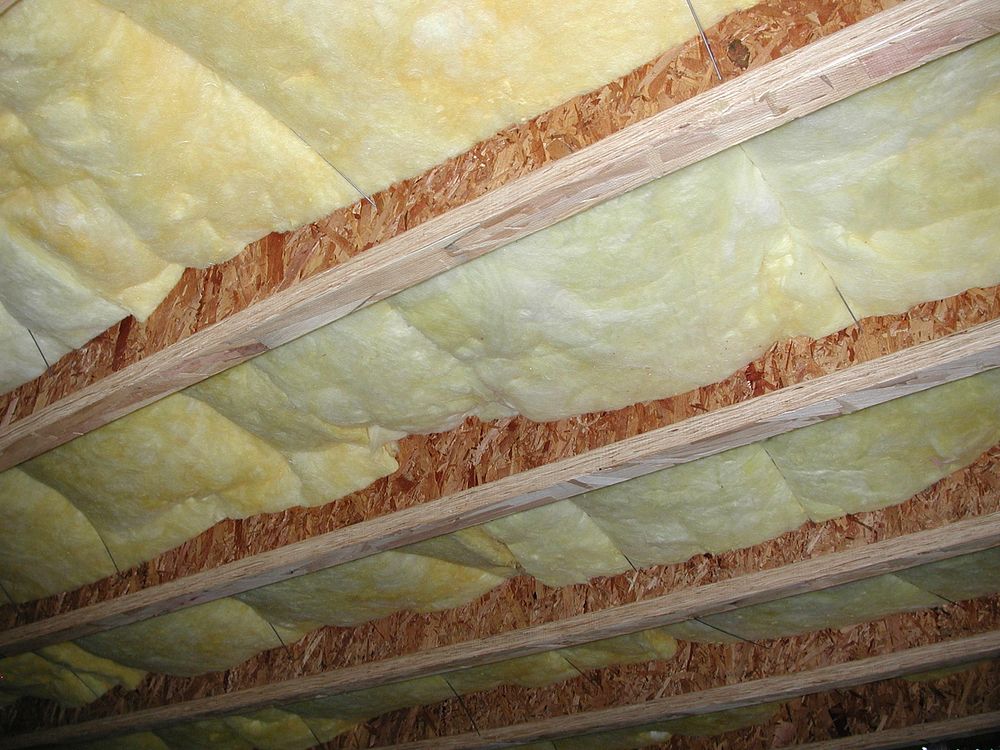
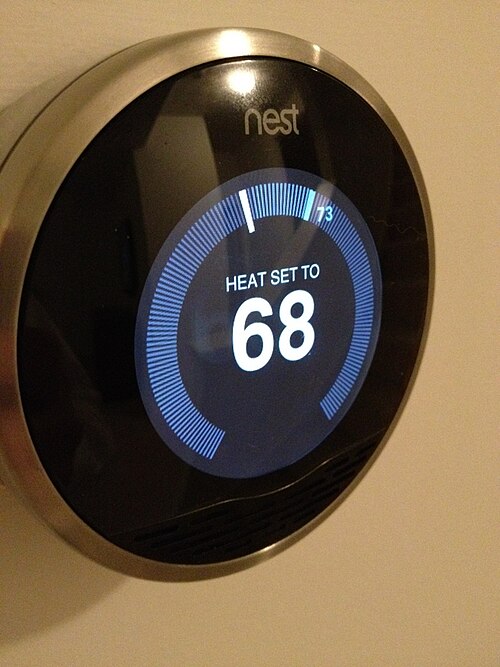
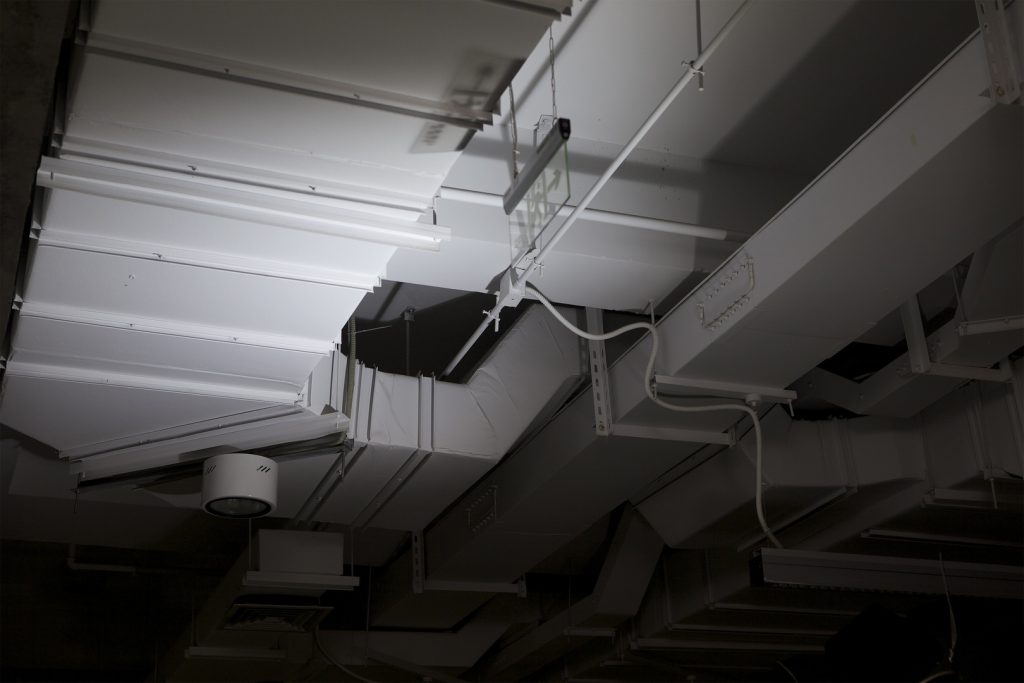
How to Lower Energy Bills During Montana’s Harshest Months Montana winters don’t pull punches. From frigid temps to snow-packed driveways, the season brings both beauty and a big bump in your utility bill. At Patriot Heating & Cooling, we understand how those heating costs can spike—especially in homes across Billings, Laurel, and surrounding areas. The good news? You don’t have to sacrifice comfort to save money. With the right HVAC strategies and home habits, you can cut costs and still stay cozy. 1. Get a Furnace Tune-Up Before Winter Hits Think of your furnace like a car: without regular maintenance, it won’t run efficiently. A professional tune-up ensures that all components are working properly, your filters are clean, and your system isn’t overworking to heat your home. This alone can reduce your energy use by 5–15%. At Patriot Heating & Cooling, our seasonal service includes: Checking and adjusting fuel-to-air ratios Inspecting heat exchangers for safety Lubricating moving parts Replacing or cleaning filters 2. Seal Up Drafty Areas Heat loss through unsealed windows, doors, and attic spaces makes your furnace work overtime. Simple fixes like weatherstripping, caulking gaps, and adding insulation can significantly reduce energy loss. Pay special attention to: Attic hatches Crawl spaces Exterior doors Older window frames According to Energy Star, sealing leaks can save the average homeowner up to 10% on annual heating and cooling bills. 3. Upgrade to a Programmable or Smart Thermostat If you’re still adjusting your thermostat manually, you’re missing a major money-saving opportunity. Smart thermostats learn your habits and adjust temperatures for maximum efficiency. In Montana, where daytime and nighttime temps vary dramatically, this is a game changer. Set it to lower the heat when you’re at work or sleeping, and to warm up right before you get home. Many models can be controlled by your smartphone for real-time adjustments. 4. Insulate Your Ductwork In unconditioned spaces like basements or attics, your ductwork could be losing heat before it even reaches your vents. Sealing and insulating your ducts prevents this loss and ensures your heating system runs more efficiently—especially important in homes with long duct runs or older systems. 5. Check Your Filters Monthly Dirty filters restrict airflow, making your system work harder for less heat. During peak winter months, check filters monthly and replace them as needed. This not only reduces energy use but also improves indoor air quality—key during the months when windows are closed. 6. Consider a High-Efficiency Heating System If your furnace is over 15–20 years old, it may be time for an upgrade. Modern high-efficiency systems (with AFUE ratings of 90% and up) use less fuel and generate more heat. Over time, the energy savings can offset the upfront cost. Plus, many utility providers in Montana offer rebates for upgrading to energy-efficient models. 7. Reverse Your Ceiling Fans This tip surprises a lot of homeowners: ceiling fans aren’t just for summer. In winter, switch them to run clockwise at a low speed. This pushes warm air near the ceiling back down into your living space—especially useful in rooms with tall ceilings. 8. Don’t Block Vents Furniture, rugs, or curtains covering your vents force your system to work harder and less efficiently. Take a quick tour of your home and make sure all vents are fully open and unobstructed to improve heat circulation. Smart Heating Starts with the Right Team Montana’s winters may be intense, but your energy bills don’t have to be. At Patriot Heating & Cooling, we help homeowners across Laurel, Billings, and beyond stay warm without breaking the bank. Whether it’s a quick system tune-up, a thermostat upgrade, or a full furnace replacement, we’ll tailor solutions to your home’s unique needs. Visit https://patriotheatingandcoolingllc.com to schedule a winter energy consultation. Let’s keep your home warm and your energy bills low—all season long. Read Next: The Impact of Smart Vents and Zoning on Home Comfort and Efficiency hk pools asli rtp live rtp live penidabet login bocoran rtp penidabet penidabet hk pools penidabet penidabet penidabet hk pools hongkong pools asli hongkong pools asli penidabet login

AC Systems, Air Conditioning, Billings Montana, Laurel Montana, Patriot Heating & Cooling

The Impact of Smart Vents and Zoning on Home Comfort and Efficiency

The Impact of Smart Vents and Zoning on Home Comfort and Efficiency For homeowners in Laurel and Billings, Montana, keeping a home comfortable year-round is a balancing act—warm enough in the winter, cool in the summer, and energy-efficient all the time. Smart vents and zoning systems are emerging as some of the most effective tools for achieving that balance. At Patriot Heating & Cooling, we’ve seen firsthand how these modern HVAC technologies can transform both comfort and efficiency in Montana homes. Here’s what you need to know. What Are Smart Vents and Zoned HVAC Systems? Smart vents are adjustable air registers that communicate with a central control system. Unlike traditional vents that you manually open or close, smart vents use sensors and real-time data to automatically adjust airflow to specific rooms based on temperature, occupancy, or even time of day. They work best when paired with a zoned HVAC system, which divides your home into separate “zones,” each with its own thermostat and level of control. Zoning doesn’t require multiple HVAC units—it works by using electronically controlled dampers in your ductwork to redirect air where it’s needed. Whether you want your bedroom cooler at night or want to stop wasting energy on unused guest rooms, zoning makes your HVAC system work smarter, not harder. Why Zoning and Smart Vents Matter in Montana Homes in Billings and Laurel experience dramatic temperature shifts, not just between seasons, but often within the same day. One level of your house may be chilly in the morning and sweltering in the afternoon. Zoning lets you respond to those microclimates in real time, adjusting each area for comfort without overworking your HVAC system. For homes with large square footage, multiple stories, or room additions, temperature imbalances are common. Without zoning, you may end up overheating or overcooling the entire house just to make one area comfortable. Smart vents solve this by automatically directing air only where it’s needed—saving energy and money. Real Energy Savings and Comfort Benefits According to the U.S. Department of Energy, zoning systems can save homeowners up to 30% on heating and cooling costs. By reducing the load on your HVAC system and avoiding energy waste in unused rooms, zoning creates a more efficient path to comfort. In Laurel and Billings, where extreme cold in the winter can make heating costs spike, zoning helps manage utility bills without sacrificing comfort. You can prioritize warmth in living areas during the day and in bedrooms at night—without heating the entire home at full capacity around the clock. Smart vents also help reduce hot and cold spots, prevent air from being wasted in unused rooms, and even improve air circulation. This leads to more consistent temperatures and a more enjoyable living environment for the whole household. Is Zoning Right for Your Home? Zoning works especially well for: Multi-level homes Homes with large windows or sunrooms Finished basements or attic spaces Families with different comfort preferences Homes with guest rooms or unused spaces If you live in Billings or Laurel and have ever struggled with uneven temperatures, rising utility bills, or a noisy HVAC system that’s always running, zoning might be the solution. Let Patriot Heating & Cooling Help You Take Control Upgrading to a smart, zoned HVAC system might seem like a big investment—but the comfort, control, and cost savings make it worth it. At Patriot Heating & Cooling, we’ve helped families across the Laurel and Billings area retrofit their homes with advanced HVAC solutions that prioritize both comfort and efficiency. We’ll evaluate your current system, recommend the right zoning layout for your home, and handle the installation so you can enjoy perfect temperatures in every room—all year long. To learn more about smart vents, zoning, and other energy-efficient HVAC upgrades, visit https://patriotheatingandcoolingllc.com or schedule a free consultation with our team today. Read Next: Understanding Indoor Air Quality: How Your HVAC System Plays a important Role hk pools asli rtp live penidabet rtp live bocoran rtp penidabet penidabet hk pools penidabet penidabet penidabet hk pools hongkong pools asli hongkong pools asli penidabet

AC Systems, Air Conditioning, Billings Montana, HVAC Companies, HVAC Services, Laurel Montana, Patriot Heating & Cooling

Understanding Indoor Air Quality: How Your HVAC System Plays a important Role

Understanding Indoor Air Quality: How Your HVAC System Plays a important Role When people think about air quality, they often imagine pollution outdoors—traffic fumes, wildfire smoke, or industrial emissions. But what many homeowners don’t realize is that indoor air can be two to five times more polluted than the air outside, according to the EPA. In places like Laurel and Billings, where we spend long winters indoors and battle seasonal allergens in the spring, maintaining good indoor air quality (IAQ) is crucial to your health and comfort. Your HVAC system isn’t just responsible for heating and cooling your home—it plays a major role in how clean (or dirty) the air inside your house is. Let’s break down how your HVAC system affects indoor air and how you can use it to your advantage. What Is Indoor Air Quality and Why Does It Matter? Indoor air quality (IAQ) refers to the condition of the air inside a building—its cleanliness, humidity levels, and the presence of contaminants. Common indoor air pollutants include: Dust and pet dander Pollen Mold spores Volatile organic compounds (VOCs) from cleaners, paints, or furniture Smoke and carbon monoxide Poor IAQ can lead to a variety of symptoms such as headaches, fatigue, sinus irritation, coughing, and worsened asthma or allergy symptoms. For families in Laurel and Billings, where long stretches of time are spent indoors, these issues can impact quality of life year-round. How Your HVAC System Affects IAQ Your HVAC system is constantly moving air through your home. Depending on how it’s maintained and what features it includes, it can either circulate allergens and pollutants or help filter them out. Here’s how: 1. Air Filtration Your system’s air filter captures airborne particles before they are recirculated throughout your home. If you’re using a low-quality filter or haven’t changed it in months, you may be blowing dust and pollen into every room. Upgrade to HEPA or high MERV-rated filters to capture more particles. Change filters every 1–3 months, especially during peak seasons. 2. Ventilation and Airflow Modern homes are built to be energy-efficient and airtight—which can trap pollutants inside. A properly functioning HVAC system provides balanced airflow and brings in fresh outdoor air, helping reduce concentrations of indoor pollutants. If your home feels stuffy or has lingering odors, it may be time to assess your ventilation system. 3. Humidity Control Excess moisture in the air promotes mold growth and dust mites, while overly dry air can cause respiratory irritation. Your HVAC system, along with dehumidifiers or humidifiers, can help maintain optimal humidity (30–50%). Montana’s dry winters and sudden weather shifts can wreak havoc on indoor humidity—something we help homeowners manage with smart climate control systems. 4. Air Purification Add-Ons If basic filtration isn’t enough, your HVAC system can be outfitted with air purifiers, UV lights, or ionization systems to remove bacteria, viruses, and microscopic particles. These systems are especially beneficial for families with allergies, asthma, or immunocompromised individuals. What You Can Do to Improve IAQ Today Schedule seasonal HVAC maintenance to ensure optimal airflow and cleanliness. Upgrade your air filter and set reminders to change it regularly. Have your ducts inspected—leaks and debris buildup can recirculate pollutants. Invest in a whole-home air purifier or humidity control system. At Patriot Heating and Cooling LLC, we’ve helped countless families in Laurel and Billings breathe easier with tailored HVAC solutions that go beyond temperature control. Whether you’re looking for an IAQ assessment or want to upgrade your system with advanced filtration, we’ve got your back. Breathe Easy with Patriot Heating and Cooling Your HVAC system is one of the most powerful tools you have to ensure a safe and healthy indoor environment. Don’t let poor air quality go unnoticed—especially when the fix might be as simple as a filter change or ventilation adjustment. Need help improving the air in your home? Contact Patriot Heating and Cooling LLC today to schedule a consultation and take the first step toward cleaner, healthier air in every room. hk pools asli rtp live rtp live penidabet link bocoran rtp penidabet penidabet hk pools penidabet penidabet penidabet login hongkong pools asli hongkong pools asli penidabet

Scroll to Top