Patriot Heating and Cooling

We Proudly Service All HVAC Brands!

Montana

Air Conditioning, HVAC Companies, HVAC Services, Montana

The Complete Guide to Preventing HVAC Breakdowns Before They Happen

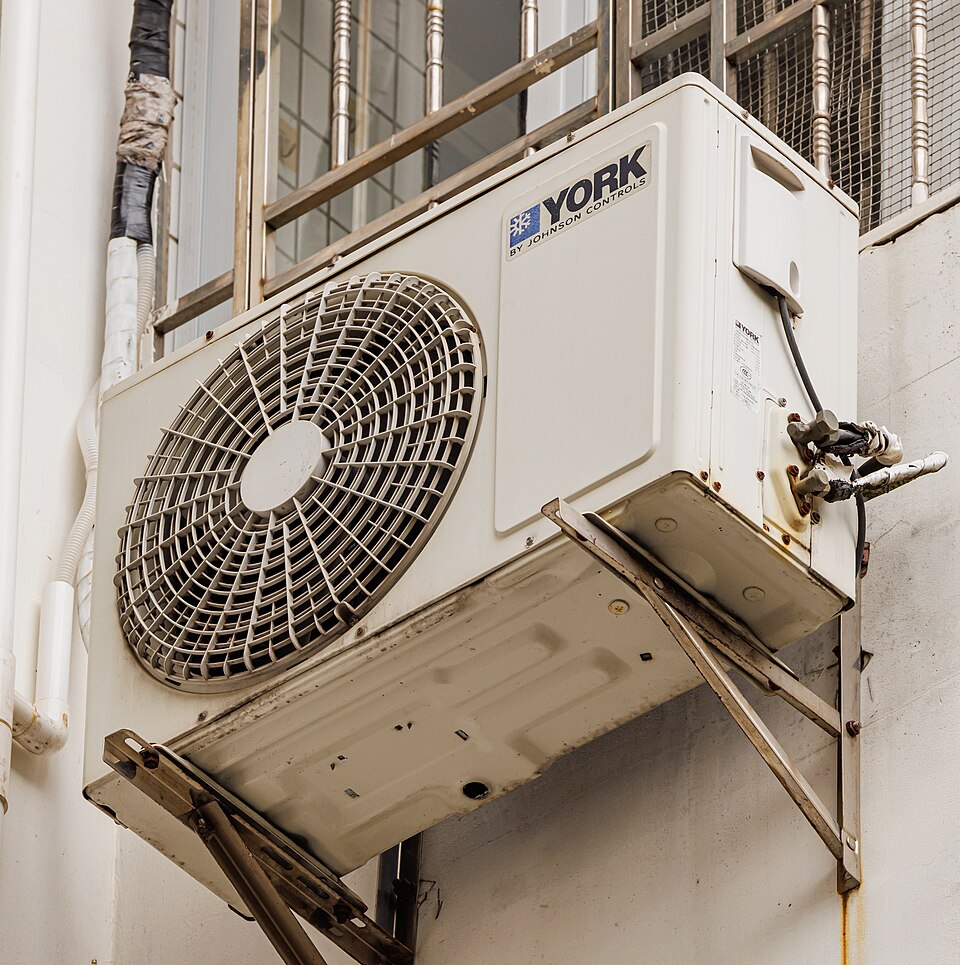
The Complete Guide to Preventing HVAC Breakdowns Before They Happen Few things are more frustrating than an HVAC system breaking down during extreme weather. Whether it’s the middle of summer or the coldest part of winter, losing heating or cooling at the wrong time can be stressful and expensive. The good news is that most HVAC breakdowns don’t happen without warning. In many cases, they are preventable with the right habits, routine care, and early attention to small issues. Preventing HVAC breakdowns starts with understanding how much strain your system handles daily. Your heating and cooling system cycles on and off repeatedly throughout the day to maintain indoor comfort. Over months and years, that repeated operation naturally causes wear on motors, belts, electrical components, and other moving parts. Without maintenance, small issues build up until something eventually fails. One of the most effective ways to prevent breakdowns is regular filter replacement. Air filters are designed to trap dust, dirt, pollen, and airborne particles before they circulate through your home. When a filter becomes clogged, airflow is restricted. Restricted airflow forces the blower motor to work harder, increases internal temperatures, and puts stress on critical components. Over time, this can cause overheating, frozen coils, or motor failure. Checking your filter monthly and replacing it when needed is one of the simplest and most affordable preventative steps you can take. Another major cause of breakdowns is lack of professional maintenance. Many homeowners wait until they hear a strange noise or feel inconsistent temperatures before calling for service. However, preventative maintenance allows technicians to catch issues early. During a routine inspection, a technician will check refrigerant levels, inspect electrical connections, test safety controls, clean coils, lubricate moving parts, and verify overall system performance. These inspections often uncover minor problems that can be repaired quickly before they turn into costly failures. Keeping the outdoor unit clean is equally important. Your air conditioner’s condenser unit needs proper airflow to release heat efficiently. When leaves, grass clippings, dirt, or debris build up around the unit, airflow becomes restricted. This causes the system to overheat and run longer cycles, increasing wear. Make sure there is at least two feet of clear space around the unit. Periodically remove debris and gently rinse off accumulated dirt to help maintain proper airflow. Electrical issues are another common source of HVAC breakdowns. Over time, connections can loosen, capacitors can weaken, and contactors can wear out. Because these components control system startup and operation, failure can prevent the system from running at all. Annual maintenance includes electrical testing that reduces the risk of sudden shutdowns. Refrigerant problems also contribute to unexpected failures. If refrigerant levels are too low due to leaks, the system loses its ability to cool effectively. Low refrigerant can cause coils to freeze, reduce efficiency, and damage the compressor. Since compressor replacement is one of the most expensive HVAC repairs, addressing refrigerant issues early is essential. Only licensed professionals should handle refrigerant inspections and repairs. Your thermostat plays a larger role in preventing breakdowns than many people realize. Faulty thermostats can cause short cycling, where the system turns on and off too frequently. Short cycling increases wear and reduces efficiency. If you notice frequent cycling or inconsistent temperatures, it may be time to recalibrate or replace the thermostat. Upgrading to a programmable or smart thermostat can improve system management and reduce unnecessary strain. Proper airflow throughout your home is essential. Blocked vents, closed registers, or obstructed returns disrupt airflow balance. When airflow is restricted, internal pressure increases and the blower motor works harder. Make sure vents remain open and unobstructed by furniture, rugs, or curtains. Regularly vacuuming dust from registers also improves circulation. Ductwork condition significantly impacts system reliability. Leaky ducts allow conditioned air to escape before it reaches living areas. This forces the system to run longer to achieve the desired temperature. Over time, longer cycles contribute to wear and higher energy bills. Having ductwork inspected and sealed improves airflow efficiency and reduces strain. Seasonal preparation is one of the best ways to prevent breakdowns during peak demand. Before summer arrives, schedule a cooling system inspection to ensure everything is ready for high temperatures. Before winter, have your heating system checked for safe and efficient operation. Preventative service before extreme weather reduces the likelihood of emergency repairs when HVAC companies are busiest. Monitoring unusual noises can also help prevent system failure. Grinding, squealing, banging, or rattling sounds often indicate loose or failing components. Addressing these sounds immediately can prevent further internal damage. Ignoring them allows the issue to worsen and may lead to more extensive repairs. Unusual odors are another warning sign. A musty smell may indicate mold growth within the system or ductwork. A burning smell could suggest electrical issues. Addressing odors promptly ensures safe operation and prevents potential hazards. Energy bills provide helpful clues about system health. If your utility costs suddenly increase without changes in usage, your HVAC system may be losing efficiency. Reduced efficiency often means the system is working harder than necessary. Investigating and resolving the cause early prevents additional strain. Proper insulation within your home also supports HVAC reliability. Poor insulation allows heated or cooled air to escape, forcing longer run times. Adding insulation in attics, walls, and crawl spaces improves temperature retention and reduces workload. Sealing air leaks around windows and doors further enhances efficiency. Humidity control contributes to system stability as well. High humidity levels during summer make the cooling system work harder to remove moisture. Installing a whole-home dehumidifier can improve comfort while reducing strain. During winter, proper humidity levels prevent excessive dryness and improve heating efficiency. Another overlooked preventative measure is keeping condensate drains clear. Air conditioners remove moisture from the air, and that moisture must drain properly. Clogged drain lines can cause water backup, leading to system shutdowns or water damage. Routine maintenance includes cleaning and inspecting drain lines to prevent blockages. It’s also important not to overload your system by setting extreme temperatures. Setting the

Air Conditioning, HVAC Services, Montana, Patriot Heating & Cooling

How to Extend the Life of Your HVAC System and Avoid Costly Replacements

How to Extend the Life of Your HVAC System and Avoid Costly Replacements Your HVAC system is one of the most expensive and most important systems in your home. It works year-round to keep your indoor environment comfortable, whether you’re facing extreme summer heat or freezing winter temperatures. Because it runs so frequently, it naturally experiences wear and tear over time. However, many homeowners don’t realize that with proper care and smart habits, you can significantly extend the life of your HVAC system and delay the need for a costly replacement. A typical HVAC system lasts between 10 and 15 years. In some cases, systems that are properly maintained can last even longer. On the other hand, neglected systems may fail years earlier than expected. Understanding what affects system longevity and taking proactive steps can help you protect your investment and maintain reliable comfort in your home. One of the most important things you can do is change your air filters regularly. This may seem like a small task, but it has a major impact on system performance. Air filters trap dust, dirt, and airborne particles to keep your indoor air clean. When filters become clogged, airflow is restricted. Restricted airflow forces your system to work harder, which increases energy use and strains critical components such as the blower motor. Over time, this extra stress can shorten the lifespan of the entire system. Checking your filter once a month and replacing it when it appears dirty is one of the easiest ways to protect your HVAC equipment. Another critical factor in system longevity is routine professional maintenance. Many homeowners wait until something breaks before calling a technician, but preventative maintenance is far more effective and affordable than emergency repairs. During an annual tune-up, a licensed technician inspects all major components, cleans internal parts, checks refrigerant levels, tests electrical connections, and ensures the system is operating safely and efficiently. Small issues such as loose wiring, worn belts, or minor refrigerant leaks can be identified and corrected before they turn into major failures. Regular maintenance reduces breakdowns, improves efficiency, and extends system life. Keeping your outdoor unit clean and clear is also extremely important. The outdoor condenser unit needs adequate airflow to release heat properly. If it becomes surrounded by leaves, dirt, grass clippings, or debris, airflow becomes restricted and performance suffers. This can cause the system to overheat or run longer than necessary. Make it a habit to check your outdoor unit periodically. Clear away debris and ensure there is at least two feet of open space around the unit. Gently rinsing the coils with a garden hose can also help remove buildup, but avoid using high pressure that could damage the fins. Your thermostat settings also play a role in system wear and tear. Constantly adjusting temperatures up and down forces your system to cycle more frequently. Extreme settings, such as drastically lowering the temperature during hot weather, can cause the system to run continuously for long periods. Instead, aim for moderate, consistent settings. Installing a programmable or smart thermostat can help regulate temperatures automatically based on your schedule. This reduces unnecessary strain and improves overall efficiency. Proper insulation in your home significantly affects HVAC lifespan as well. Poor insulation allows heated or cooled air to escape, making your system work harder to maintain indoor comfort. Attics, walls, crawl spaces, and ductwork should be properly insulated to minimize energy loss. Sealing air leaks around doors and windows also prevents conditioned air from escaping. When your HVAC system doesn’t have to compensate for lost air, it operates more efficiently and experiences less wear. Ductwork condition is another often overlooked factor. Leaky or damaged ducts reduce airflow and force your system to run longer cycles. In some cases, as much as 20 to 30 percent of conditioned air can be lost through duct leaks. Having your ductwork inspected and sealed if necessary improves efficiency and reduces system strain. Clean ducts also promote better indoor air quality and airflow balance. Humidity control plays a role in system performance too. Excess humidity in summer makes your air conditioner work harder, while overly dry air in winter can impact heating efficiency. Whole-home humidifiers or dehumidifiers can help maintain balanced indoor conditions, allowing your HVAC system to operate more effectively. Another key habit that extends system life is paying attention to warning signs. Strange noises, unusual odors, uneven temperatures, or higher energy bills are all indicators that something may be wrong. Addressing these issues early prevents further damage. Ignoring minor problems often leads to more extensive and expensive repairs later. It’s also important to avoid closing too many vents in your home. Some homeowners believe closing vents in unused rooms saves energy, but this can actually create pressure imbalances within the duct system. Increased pressure may strain the blower motor and reduce efficiency. Instead of closing vents, consider zoning systems or professional airflow adjustments if you have specific comfort concerns. Keeping interior vents and registers clean helps maintain proper airflow. Dust buildup can restrict circulation and reduce performance. Regularly vacuuming vents and ensuring they are not blocked by furniture improves air distribution and system efficiency. Electrical components should always be handled by professionals, but it’s helpful to understand their importance. Capacitors, contactors, and wiring connections wear down over time. Routine inspections help prevent unexpected electrical failures that could damage major components like the compressor or blower motor. Refrigerant levels must also remain balanced for proper cooling performance. Low refrigerant not only reduces efficiency but can cause the compressor to overheat. Since compressor replacement is one of the most expensive HVAC repairs, maintaining proper refrigerant levels is essential for system longevity. If your system is aging but still functioning, strategic upgrades may extend its usability. For example, upgrading to a variable-speed blower motor or installing a smart thermostat can improve performance without replacing the entire system. Consulting with a trusted HVAC professional helps you determine the best cost-effective options. Seasonal preparation is another important step. Before

AC Systems, Air Conditioning, Heater Repair, HVAC Services, Montana, Patriot Heating & Cooling

Common Causes of Uneven Heating and Cooling

Common Causes of Uneven Heating and Cooling Uneven temperatures can make parts of your home uncomfortable, even when your HVAC system is running. Understanding the causes helps identify the right solution. Blocked or closed vents are a common issue. Furniture, rugs, or dust buildup can restrict airflow, preventing proper temperature distribution. Ductwork problems can also lead to uneven heating and cooling. Leaks or poor insulation cause conditioned air to escape before reaching certain rooms. Thermostat placement may affect temperature accuracy. If the thermostat is located in direct sunlight or near heat sources, it may cause the system to cycle incorrectly. Addressing airflow issues, duct problems, and thermostat placement helps restore consistent comfort throughout your home. Read Next: The Benefits of Upgrading to a Smart Thermostat

AC Systems, Montana, Patriot Heating & Cooling, Thermostat

The Benefits of Upgrading to a Smart Thermostat

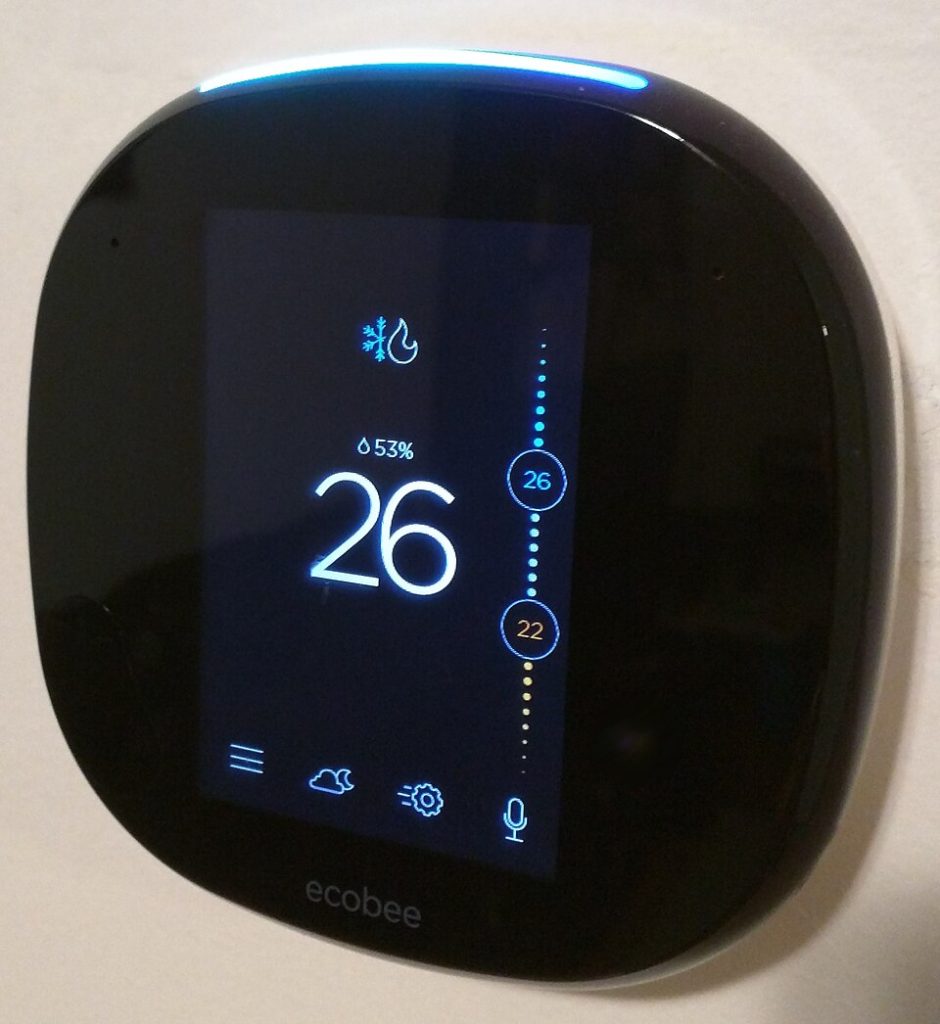
The Benefits of Upgrading to a Smart Thermostat Introduction Smart thermostats have become a popular upgrade for homeowners looking to improve comfort and efficiency. These devices offer more control and flexibility than traditional thermostats. One major benefit is energy savings. Smart thermostats learn your schedule and adjust temperatures automatically when you’re away, reducing unnecessary energy use. Improved comfort is another advantage. Many smart thermostats allow remote adjustments through mobile apps, making it easy to change settings from anywhere. Smart thermostats also provide system performance insights. Usage reports help homeowners understand energy habits and identify opportunities for improvement. Upgrading to a smart thermostat enhances HVAC efficiency, increases comfort, and offers long-term savings with minimal effort. Read Next: How Dirty Air Filters Affect Your HVAC System

AC Systems, HVAC Services, Montana, Patriot Heating & Cooling

How Dirty Air Filters Affect Your HVAC System

How Dirty Air Filters Affect Your HVAC System Air filters play a critical role in HVAC performance, yet they are often overlooked. Dirty filters can cause several problems that affect comfort, efficiency, and system lifespan. When filters become clogged, airflow is restricted. This forces your HVAC system to work harder, increasing energy consumption and wear on components. Dirty filters can also impact indoor air quality. Dust, pollen, and other contaminants circulate through your home, potentially aggravating allergies and respiratory issues. Restricted airflow may cause your system to overheat or freeze up, leading to costly repairs or even system failure. Replacing filters regularly prevents these issues. Checking filters monthly and replacing them as needed is a simple, affordable way to protect your HVAC system and maintain a healthier indoor environment. Read Next: Why Annual HVAC Maintenance Is Worth the Investment

Air Conditioning, HVAC Services, Montana, Patriot Heating & Cooling

Why Annual HVAC Maintenance Is Worth the Investment

Why Annual HVAC Maintenance Is Worth the Investment Many homeowners delay HVAC maintenance until a problem occurs, but annual service is one of the best ways to protect your system and avoid unexpected issues. Routine maintenance helps identify small problems before they become major repairs. Technicians inspect components, clean internal parts, and ensure the system is operating safely and efficiently. Regular tune-ups also improve energy efficiency. A well-maintained HVAC system uses less energy to heat or cool your home, which can result in noticeable savings on utility bills. Maintenance extends the lifespan of your equipment. Systems that receive yearly service typically last longer and perform better than those that are neglected. Annual HVAC maintenance also improves indoor air quality by reducing dust buildup and ensuring proper airflow throughout your home. Investing in routine maintenance helps your HVAC system run efficiently, prevents costly breakdowns, and keeps your home comfortable year-round. Read Next: Signs It’s Time to Replace Your HVAC System

HVAC Companies, HVAC Services, Montana, Patriot Heating & Cooling

Signs It’s Time to Replace Your HVAC System

Signs It’s Time to Replace Your HVAC System Introduction An HVAC system won’t last forever, even with proper maintenance. Knowing when it’s time to replace your system can help you avoid frequent repairs, rising energy bills, and unexpected breakdowns. One of the most common signs is system age. Most HVAC systems last between 10 and 15 years. If your unit is approaching or past this range and requires frequent repairs, replacement may be the more cost-effective option. Rising energy bills can also signal inefficiency. Older systems work harder to maintain comfort, using more energy in the process. Newer systems are designed to meet modern efficiency standards and can significantly reduce monthly utility costs. Frequent breakdowns are another warning sign. If you’re calling for repairs multiple times a year, the cost can quickly add up. Replacing the system eliminates ongoing repair expenses and provides more reliable performance. Inconsistent temperatures throughout your home may indicate your system is no longer able to distribute air properly. New HVAC systems provide better airflow and more consistent comfort. Replacing an aging HVAC system improves efficiency, comfort, and peace of mind while reducing long-term costs. Read Next: Preparing Your HVAC System for Seasonal Changes

HVAC Companies, HVAC Services, Montana, Patriot Heating & Cooling

Preparing Your HVAC System for Seasonal Changes

Preparing Your HVAC System for Seasonal Changes Introduction Changing seasons put extra demands on your HVAC system. Preparing your system ahead of time ensures consistent comfort, prevents breakdowns, and reduces energy costs. Start by inspecting and replacing filters. Clean filters improve airflow, prevent system strain, and enhance indoor air quality. Doing this before seasonal changes is especially important. Check your thermostat and settings. Make sure it’s functioning properly and programmed for seasonal adjustments. Upgrading to a smart thermostat can make transitions smoother while saving energy. Schedule professional maintenance before extreme temperatures arrive. Technicians can inspect, clean, and tune up your system to prevent unexpected failures during hot summers or cold winters. Seal windows, doors, and ducts to prevent air leaks. Proper sealing helps your HVAC system maintain the desired temperature without working harder than necessary. Preparing your HVAC system for seasonal changes ensures comfort, saves money, and extends equipment life. Simple preventative steps prevent surprises and make your home more energy-efficient. Read Next: How to Save Energy With Your HVAC System

HVAC Companies, HVAC Services, Montana, Patriot Heating & Cooling

How to Save Energy With Your HVAC System

How to Save Energy With Your HVAC System Introduction Reducing energy use while keeping your home comfortable is possible with a few simple strategies. These tips help you save money, reduce strain on your HVAC system, and maintain efficiency year-round. Start with thermostat management. Avoid extreme temperature settings and consider programmable or smart thermostats. They adjust automatically when you’re away, reducing unnecessary energy use. Keep vents and registers clear of furniture or obstructions. Blocked airflow forces your system to work harder, consuming more energy. Regularly cleaning vents also prevents dust buildup, which can reduce efficiency. Routine maintenance is essential. Clean filters, inspect ducts, and schedule professional check-ups to ensure your system runs smoothly. Well-maintained HVAC equipment uses less energy and reduces the risk of expensive repairs. Consider energy-efficient upgrades, like high-efficiency filters or variable-speed motors. These improvements lower energy consumption while maintaining comfort. Implementing these energy-saving habits helps your HVAC system run efficiently, keeps utility costs down, and extends the lifespan of your equipment. Read Next: Why Proper Insulation Improves HVAC Performance

HVAC Companies, HVAC Services, Montana, Patriot Heating & Cooling

Why Proper Insulation Improves HVAC Performance

Why Proper Insulation Improves HVAC Performance Introduction Many homeowners overlook insulation, but it’s one of the biggest factors affecting HVAC efficiency. Proper insulation keeps your home comfortable, reduces energy costs, and eases the strain on your heating and cooling system. Attic and wall insulation are especially important. Heat escapes through poorly insulated areas in winter and enters during summer. Upgrading insulation in key areas helps your HVAC maintain consistent temperatures without overworking. Sealing air leaks is another crucial step. Gaps around doors, windows, and vents let conditioned air escape, forcing your system to work harder. Using weatherstripping and caulking can make a noticeable difference in comfort and energy efficiency. Even small improvements, like insulating ductwork or adding door sweeps, can reduce energy loss. When your HVAC system doesn’t have to compensate for lost air, it lasts longer and performs better. Proper insulation and sealing are simple ways to enhance HVAC efficiency, lower energy bills, and improve home comfort. Investing in these upgrades pays off year-round. Read Next: Common HVAC Problems and How to Avoid Them

Scroll to Top